
Zcash NU7 Upgrade: 25-Second Blocks, Same 21M ZEC Supply

 Prefer us on Google

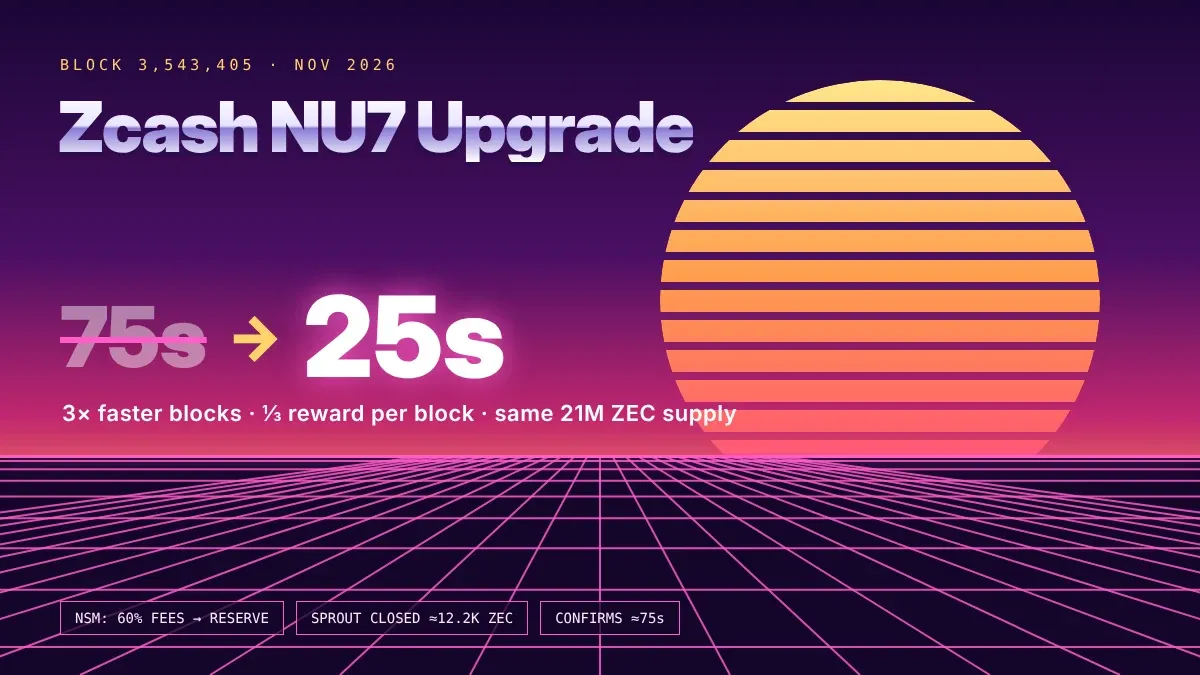
Zcash NU7 activated at block 3,543,405 around November 5–6, 2026, cutting the target block time from 75 seconds to 25 seconds. It does not create more ZEC: the reward per block was divided by three, so daily issuance, the halving schedule, and the 21 million cap stay the same. NU7 also diverts 60% of transaction fees into a long-term reserve and permanently closes the 2016-era Sprout pool, leaving about 12,200 ZEC unspendable. Below is what changed, the supply math behind it, and what holders should check.
What Zcash NU7 Changes
NU7 is a protocol-level network upgrade, so every node had to upgrade before the activation block. The main changes:
- Faster blocks. The target block time drops from 75 to 25 seconds under ZIP 218.
- Lower reward per block. The block subsidy falls by a factor of three, with halving intervals adjusted so the issuance timetable does not change.
- Network Sustainability Mechanism (NSM). 60% of transaction fees go to a reserve instead of miners, and 40% still go to miners. Those coins re-enter circulation as block rewards starting at block 8,939,664.
- Sprout retirement. Version 4 transactions become invalid, which closes the only path for moving coins out of the original Sprout shielded pool.
- Node software. Operators needed Zebra 7.0.0 or compatible software, released alongside seven Zebra security fixes, or they would fall off the chain.
Zcash NU7 Issuance Math: Why Faster Blocks Don't Inflate ZEC
The most common misunderstanding is that three times as many blocks means three times as much new ZEC. It does not. The arithmetic is simple:
- Before NU7: 86,400 seconds per day ÷ 75 seconds = about 1,152 blocks per day.
- After NU7: 86,400 ÷ 25 = about 3,456 blocks per day, three times as many.
- Reward per block: cut to one-third, so 3,456 blocks × (1/3 subsidy) issues the same ZEC per day as 1,152 blocks × the full subsidy.
Coverage notes small rounding differences in the subsidy calculation, but the four-year halving rhythm and the 21 million maximum are unchanged. Circulating supply sits at about 17.0 million ZEC.
The practical gain is speed. Three confirmations, which many exchanges use for deposits, drop from nearly four minutes to about 75 seconds.
The NSM is the more interesting long-term change. Using the new 25-second target, the roughly 5.4 million blocks between activation and block 8,939,664 take about 4.3 years, which lines up with the early-2031 start date cited for reserve reissuance. Until then, fees diverted to the reserve sit out of circulation, a mild supply sink that grows with network usage.
What Happened to the Zcash Sprout Pool
Sprout was Zcash's first shielded pool, launched in 2016. Because NU7 invalidates version 4 transactions, any ZEC still in Sprout can no longer be moved, even by someone holding the correct private key.
About 12,000 to 12,200 ZEC remained there before activation, worth roughly $16 million at $1,300 per ZEC. That is about 0.07% of circulating supply, so the frozen coins do not change ZEC's supply picture in any meaningful way. ZIP 2003 leaves open the possibility of restoring access in a future upgrade, but developers have warned that it may never be re-enabled.
For anyone with very old Zcash wallets, the lesson is concrete: dormant coins in a deprecated pool can be stranded by a scheduled upgrade, and upgrade notices are announced months in advance.
-- Price
ZEC Price Around the Zcash NU7 Upgrade
ZEC rallied into the upgrade, then held up better than the market:
- November 4: ZEC rose about 9% to $1,310, becoming the tenth-largest crypto by market cap, according to CoinCentral citing CoinGecko.
- November 6: CoinMarketCap data cited by CoinGabbar showed ZEC near $1,283, down 2.24% in 24 hours, while Bitcoin fell about 5.9%. Market cap stood near $21.75 billion.
- 2026 range: ZEC traded between a low of $190.21 and a high of $1,683 this year, per Admiral Markets.
Two forces shape the next leg. On the demand side, about 4.96 million ZEC, or 29.1% of supply, was held in shielded pools on October 27, a sign that privacy features are actually used. On the flow side, U.S. spot ZEC ETFs led by Grayscale's ZCSH, which began trading August 25, 2026, held about $710 million in net assets on October 26, roughly 29% below their September peak.
Analysts tracking ZEC's chart cite $1,195 as nearby support and $1,343–$1,370 as resistance, with a daily close above $1,370 viewed as a sign of renewed momentum.
Trading ZEC After NU7: What to Check
Network upgrades create short operational windows that catch traders off guard. Exchanges often pause ZEC deposits and withdrawals around activation and reopen once their nodes are synced, so confirm deposit status before moving coins.
On WEEX, you can follow ZEC on the Zcash price page or trade the ZEC/USDT perpetual. ZEC has swung by more than 10% within single sessions this quarter, so position sizing matters more than direction calls.
Zcash NU7: The Takeaway
Zcash NU7 makes the network three times faster without changing ZEC's supply schedule, adds a fee reserve that quietly removes coins from circulation until 2031, and retires the Sprout pool for good. For holders, nothing needs to be done unless coins were left in Sprout. For traders, faster confirmations mean quicker deposits, while ETF flows and broader market risk remain the bigger price drivers.
FAQ
1. When did Zcash NU7 activate?
NU7 activated at mainnet block 3,543,405, around November 5–6, 2026. Because activation depends on block height, the exact time varied from early estimates.
2. Does NU7 increase the ZEC supply?
No. Blocks are three times faster, but the reward per block was cut to one-third, so daily issuance, the halving schedule, and the 21 million cap are unchanged.
3. What happens to ZEC left in the Sprout pool?
It is now unspendable, because NU7 invalidates the version 4 transactions needed to move it. About 12,200 ZEC, worth roughly $16 million, was affected. A future upgrade could restore access, but that is not guaranteed.
4. Do I need to do anything with my ZEC after NU7?
Most holders do not. If you hold ZEC on an exchange or in a modern shielded or transparent address, it is unaffected. Node operators needed to upgrade to Zebra 7.0.0 or compatible software.
This content is provided for general informational purposes only and doesn't constitute financial, investment, legal, or tax advice. Any events, rewards, online promotions, or related information mentioned herein should not be considered a recommendation, solicitation, or invitation to purchase, sell, trade, or otherwise deal in any crypto assets. Crypto assets are highly volatile and may result in loss. The availability of WEEX services, products, and related events may vary by region. You are responsible for ensuring that your participation is in accordance with applicable local laws and regulations.
You may also like
Zcash Grant Fight: Why a $125M Treasury Split ZEC Holders
Anonymous Crypto Wallet: What Each One Hides and Where It Fails
Anonymous Crypto Wallet: 5 Privacy Levels and What Each Hides
Anonymous Crypto Wallet: What Still Protects Your Privacy in 2026
What Is Coinbase Wrapped Zcash (cbZEC)? How It Brings Zcash to Base Without Native ZEC Privacy
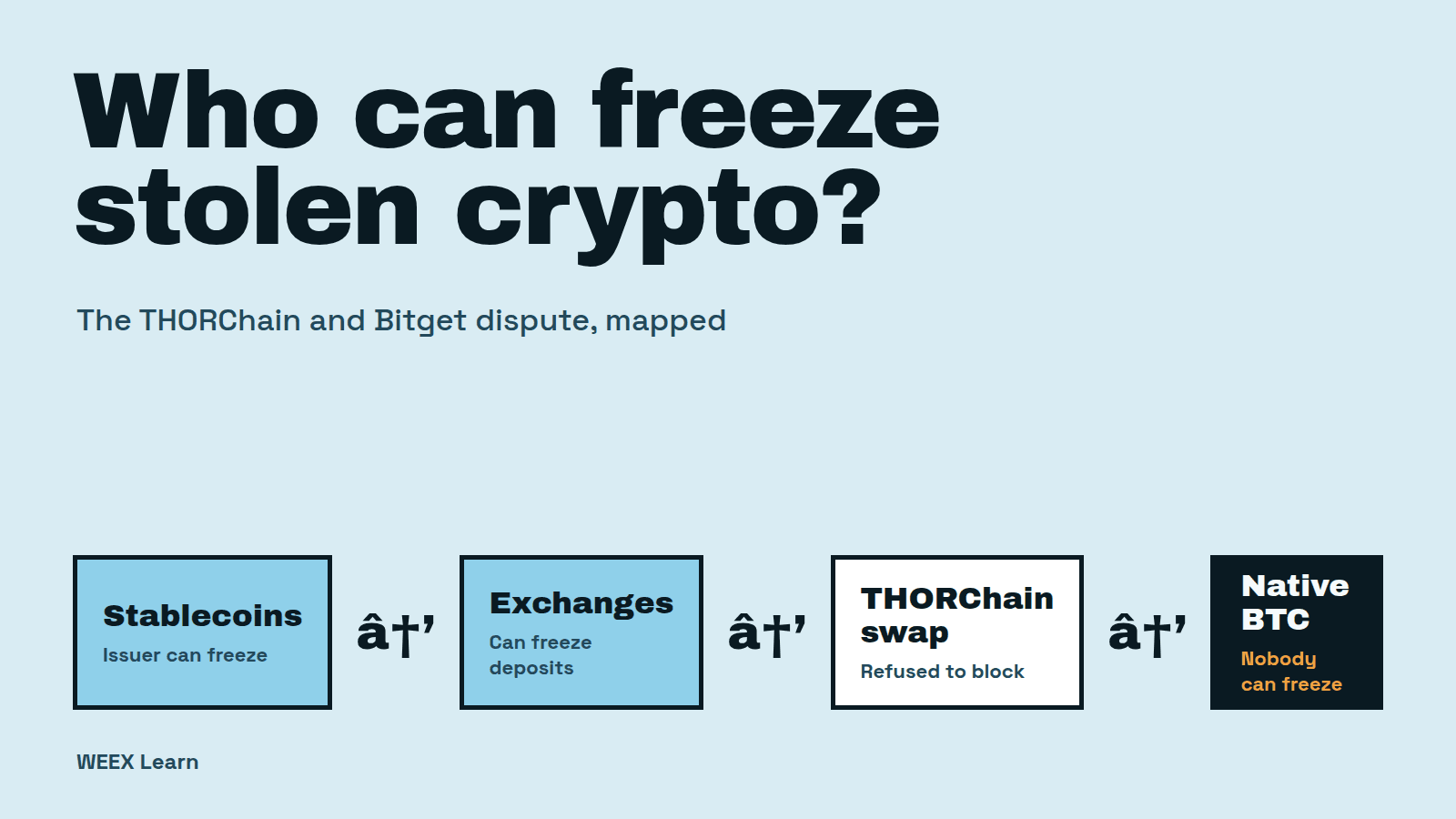
THORChain Bitget Dispute: Who Can Actually Freeze Stolen Crypto?
Bitget Resumes Withdrawals in Phases: Schedule in Vietnam Time and What to Check
Bitget Phased Withdrawal Restart: Schedule (UTC+8) and Checks for Taiwan Users
ZEC Futures Trading: Leverage Lessons From Zcash's $1,400 Squeeze
Zcash Futures: What the $34.5M Short Squeeze Cost the Bears
ZEC Crypto Price Nears Decade High: How an ETF Launch and a Short Squeeze Combined
ZEC Price Prediction: What Needs to Happen for Zcash to Hold Above $1,100
Zcash(ZEC) Price Prediction 2025: Can ZEC Reach $1000?

What Is Zcash (ZEC) and How Does It Work?
What is Aleo (ALEO) Coin? A Guide to the Privacy-Powered Blockchain
What is ZKML Coin? A Guide to the Privacy & AI Crypto
INJ Staking ETF Goes Live: Can 90% Staking Drive Demand?

SNDK Crashes 22%: Is the AI Storage Boom Losing Steam?
Circle Revenue Hits $865M, But Can CRCL Sustain Growth?
Is GM on BSC a CZ Token? What Is Confirmed and What Is Not

What Is GM on BSC? GREEN MORNING Jumps Over 400% on a Reported Musk–CZ Meme Moment
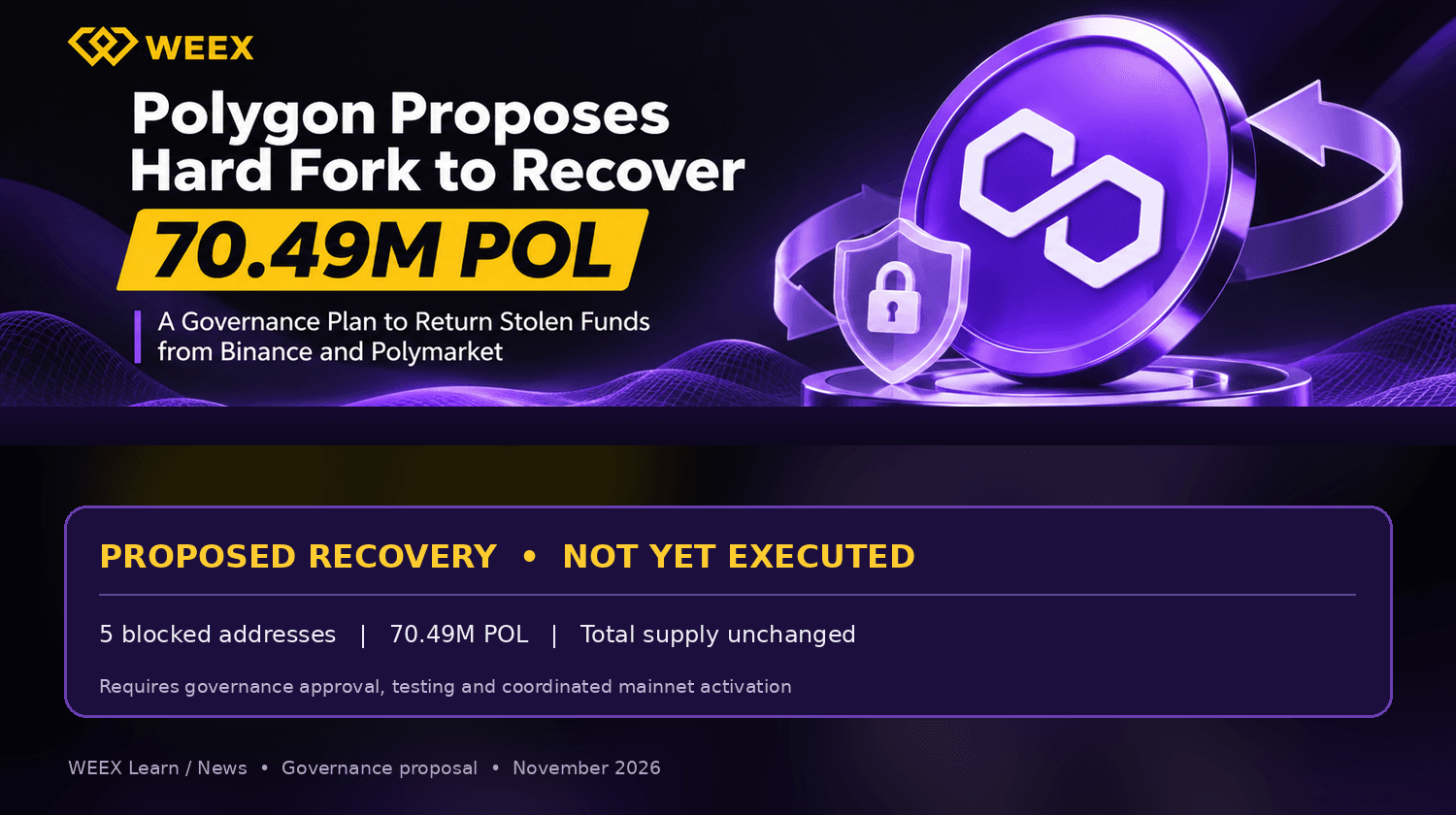
Polygon Proposes Hard Fork to Recover 70.49M POL
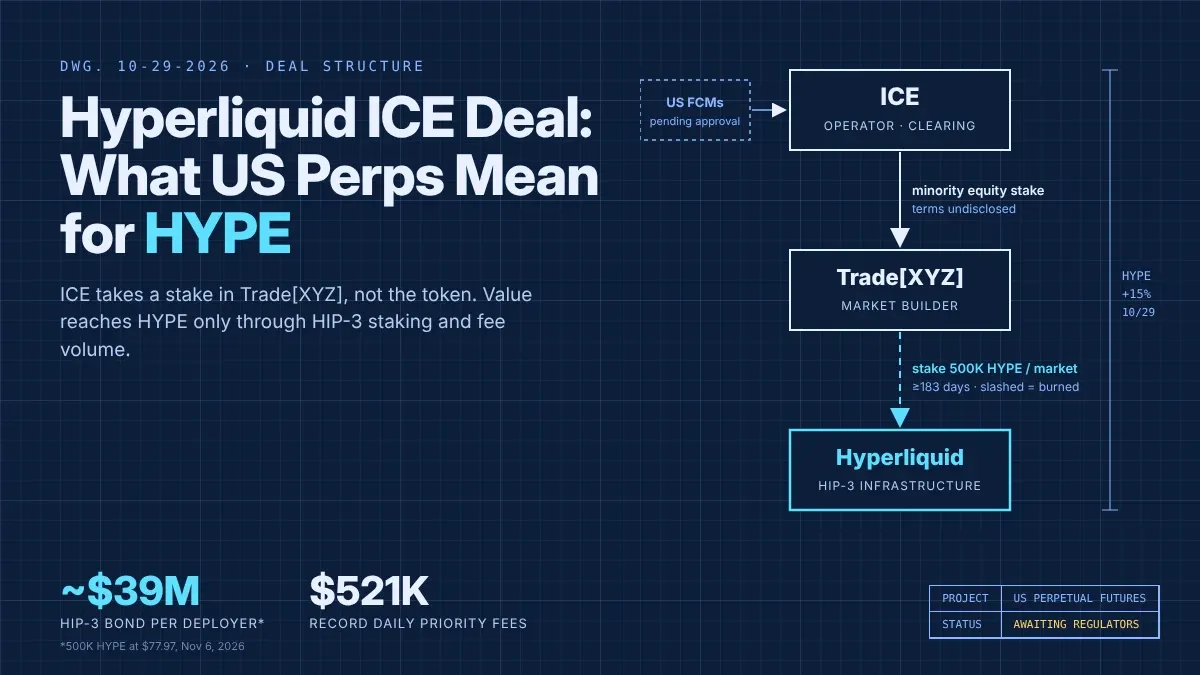
Hyperliquid ICE Deal: What US Perps Mean for HYPE Holders
Ripple National Trust Bank: What OCC Approval Means for XRP
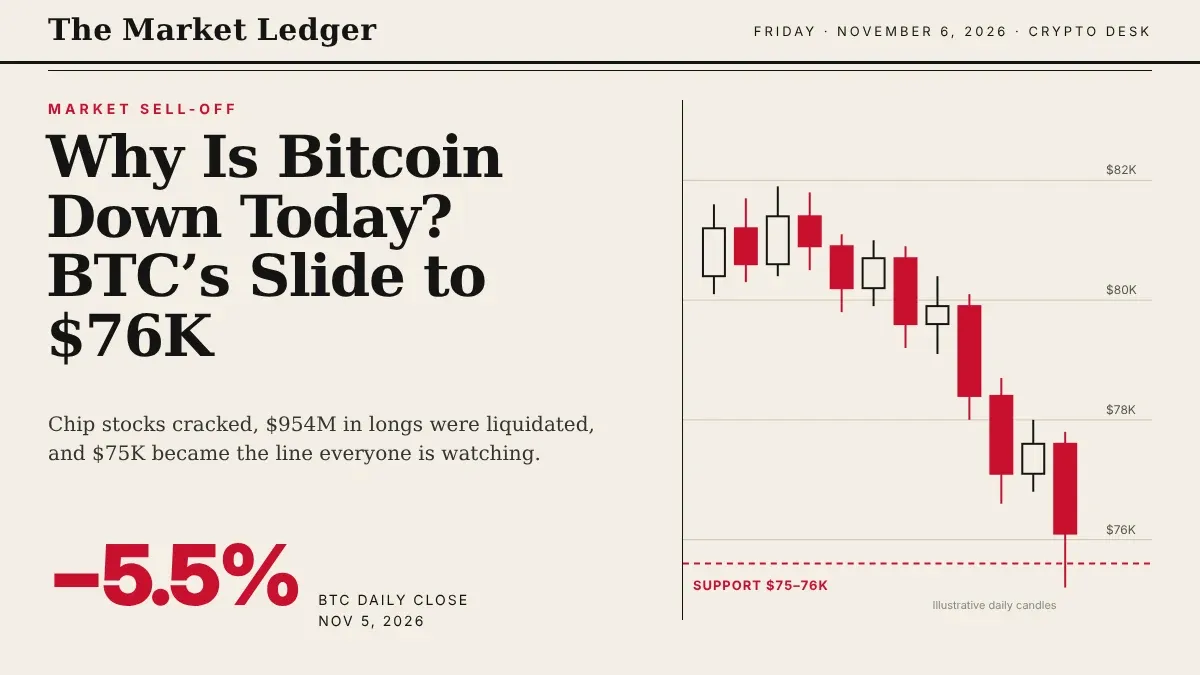
Why Is Bitcoin Down Today? BTC's Slide to $76K Explained
Binance Hack Explained: What the $6.3B Theft Means for Users
CC Spot vs Futures on WEEX: Trading Canton's SEC Headline Risk

How to Buy USOE? What DEX Access Involves, Which Wallet and Contract Risks Apply and What an Exchange Listing Would Require

Is USOE Legit? What the Website Claims, What Independent Sources Found and What Is Still Missing
Crypto Passive Income: What $1,000 Earns in Each WEEX Product
Zcash Grant Fight: Why a $125M Treasury Split ZEC Holders
Anonymous Crypto Wallet: What Each One Hides and Where It Fails
Anonymous Crypto Wallet: 5 Privacy Levels and What Each Hides
Anonymous Crypto Wallet: What Still Protects Your Privacy in 2026
What Is Coinbase Wrapped Zcash (cbZEC)? How It Brings Zcash to Base Without Native ZEC Privacy
THORChain Bitget Dispute: Who Can Actually Freeze Stolen Crypto?
Contents
Popular coins
Latest articles


