
Why Is Bitcoin Down Today? BTC's Slide to $76K Explained

 Prefer us on Google

Bitcoin is down today because a sharp sell-off in U.S. tech and chip stocks collided with a crypto market carrying too much leverage. BTC fell about 5.5% on November 5, 2026, closing near $76,088 after an intraday low around $75,208, and roughly $954 million in long positions were liquidated in 24 hours. Below, the drivers are ranked by how much they actually mattered, followed by the price levels traders are watching and the signals that would show the sell-off is ending.
Bitcoin Price Today: Where BTC Stands as of November 6
On the WEEX Bitcoin price page, BTC was quoted at $75,865 at 06:01 UTC on November 6, 2026, with a 24-hour range of $75,114 to $80,703. That range is the story in one line: Bitcoin lost its grip on $80,000 and spent the session testing the mid-$75,000s.
The rest of the market fell harder. On the November 5 UTC daily close, according to Goodman Macro's data:
- Ether dropped 7.70% to about $2,238
- Cardano fell 8.31%, Dogecoin 7.67%, XRP 7.51%
- Solana lost 6.57%, BNB 4.20%
Over the month from October 6 to November 5, Bitcoin is down about 11%, Ether about 17%, and Solana about 26%. Bitcoin's share of the total crypto market rose to roughly 59.3%. That pattern, with BTC falling least and high-beta coins falling most, is what a risk-off rotation looks like, not a Bitcoin-specific problem.
Why Is Bitcoin Down Today? The Drivers, Ranked
Several explanations are circulating. They are not equally important.
1. The tech and chip stock crash (the trigger). The Nasdaq fell about 5.5% on November 5. The Philadelphia Semiconductor Index dropped roughly 12.3%, its worst day since March 2020, with Nvidia and Qualcomm each down more than 9% after Qualcomm's guidance disappointed. Concern that a Democratic-controlled Congress could tighten AI rules and slow data-center construction fed the selling. Multi-asset funds cut tech and crypto exposure together, and Bitcoin traded like a high-beta tech asset.
2. The leverage unwind (the amplifier). Total liquidations reached about $1.09 billion in 24 hours, with roughly $954 million coming from longs and more than 207,000 traders affected. Research firm K33 had warned that thin spot volumes combined with rising perpetual-futures leverage could turn a modest shock into a cascade. That is what happened: forced selling pushed price into the next cluster of stops.
3. Hedge fund de-risking (the fuel). Reports of multi-manager funds closing teams and unwinding positions, including Walleye Capital scaling back after a 5.9% October loss, point to deleveraging across asset classes rather than a crypto-only exit.
4. Crypto-specific stress (the backdrop). The record $6.3 billion Binance hack at the end of October dented confidence, and stablecoin market cap shrank by about $5.51 billion over seven days, which means less dry powder waiting to buy dips.
What is not driving it: the U.S. midterm result itself. The election produced a crypto-friendly Congress, with 245 candidates rated pro-crypto winning seats, and briefly lifted prices. The bounce faded because funding conditions, not politics, set the direction this week.
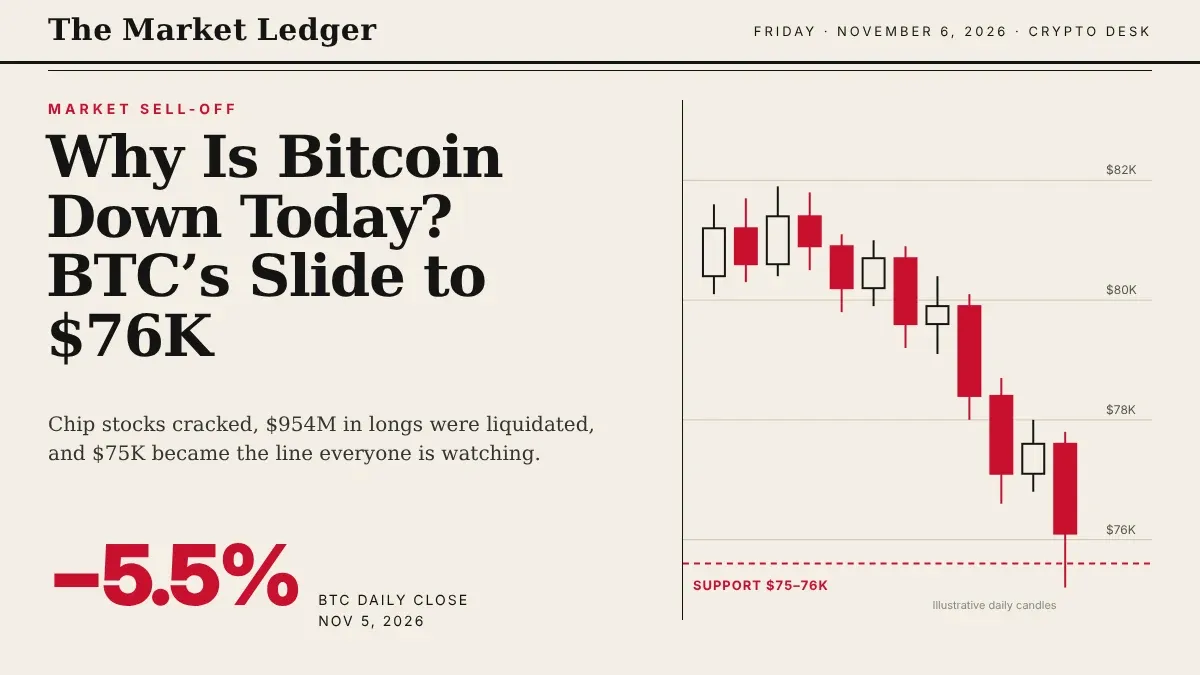
Bitcoin Support Levels: $75K Is the Line Traders Are Watching
Analysts across several desks converge on the same map:
- $75,000–$76,000: Immediate support, tested on November 5. A confirmed daily close below $75,000 is the level several reports say could open a move toward $70,000.
- $78,000: The first reclaim level. Failing to get back above and hold it would keep rallies short-lived.
- $80,000: The level lost this week. Recovering it would undo most of the damage from the sell-off.
The more important point is how price reaches these levels. A slow grind down with falling open interest is healthier than a fast wick driven by liquidations, because it means leverage is being flushed rather than rebuilt.
-- Price
What Would Signal the Bitcoin Sell-Off Is Ending
No single indicator calls a bottom, but a few signals carry more weight than headlines:
- Chip stocks stabilize. Bitcoin has been trading in step with the semiconductor index. A pause there removes the main trigger.
- ETF flows stay positive. U.S. spot Bitcoin ETFs took in about $74.57 million on November 4, ending three straight days of outflows. A run of inflow days would show buyers absorbing the selling.
- Funding rates reset. Neutral or negative funding on perpetual futures means the crowded long trade has cleared.
- Sentiment hits extremes. The Crypto Fear & Greed Index dropped to 28 from 50. Readings that low have often appeared near local lows, though they can stay low for weeks.
Macro remains a wildcard. The October U.S. jobs report is due on November 6. Initial jobless claims came in at 189,000 versus 196,000 expected, a sign of a firm labor market that could push rate-cut expectations further out and keep pressure on risk assets.
What Traders Usually Miss in a Drop Like This
The common mistake after a 5% day is buying the first bounce with leverage, which simply rebuilds the position that just got liquidated. Days after a cascade, liquidity is often thinner than usual, so stops placed at round numbers like $75,000 tend to get swept before price settles.
If you trade BTC/USDT perpetual futures, size positions so that a move to $70,000 does not wipe out the account, and avoid stacking leverage on top of an already volatile tape. Spot buyers scaling in over several days usually fare better than those trying to catch the exact low.
Why Bitcoin Is Down: The Short Answer
Bitcoin is down today because the stock market's AI and chip trade cracked, and crypto's leveraged longs could not absorb the shock. The Binance hack and shrinking stablecoin supply made the backdrop weaker. Whether this becomes a deeper correction depends on the $75,000 level, chip stocks, and whether ETF inflows return. Track the move on the WEEX Bitcoin price page and keep position sizes small until volatility cools.
FAQ
1. Why did Bitcoin drop below $80,000?
A 5.5% fall in the Nasdaq and a 12.3% crash in chip stocks on November 5, 2026, triggered risk-off selling, and about $954 million in leveraged long liquidations accelerated the drop toward $76,000.
2. Will Bitcoin fall to $70,000?
Several analysts flag $70,000 as the next target only if Bitcoin closes a day below $75,000. As of November 6, 2026, that level was holding. A reclaim of $78,000 would weaken the bearish case.
3. Is the Bitcoin drop related to the Binance hack?
Partly. The $6.3 billion Binance hack hurt confidence, but the immediate trigger was the tech-stock crash. Bitcoin fell alongside the Nasdaq on the same day.
4. Is now a good time to buy Bitcoin?
That depends on your time horizon and risk tolerance. Fear readings near 28 often appear close to local lows, but they are not a timing signal on their own, and leverage raises the risk of being forced out before any recovery.
This content is provided for general informational purposes only and doesn't constitute financial, investment, legal, or tax advice. Any events, rewards, online promotions, or related information mentioned herein should not be considered a recommendation, solicitation, or invitation to purchase, sell, trade, or otherwise deal in any crypto assets. Crypto assets are highly volatile and may result in loss. The availability of WEEX services, products, and related events may vary by region. You are responsible for ensuring that your participation is in accordance with applicable local laws and regulations.
You may also like

BTC Price Above $78,000 After the Midterms: What Is Confirmed, What Moved and What to Check Next
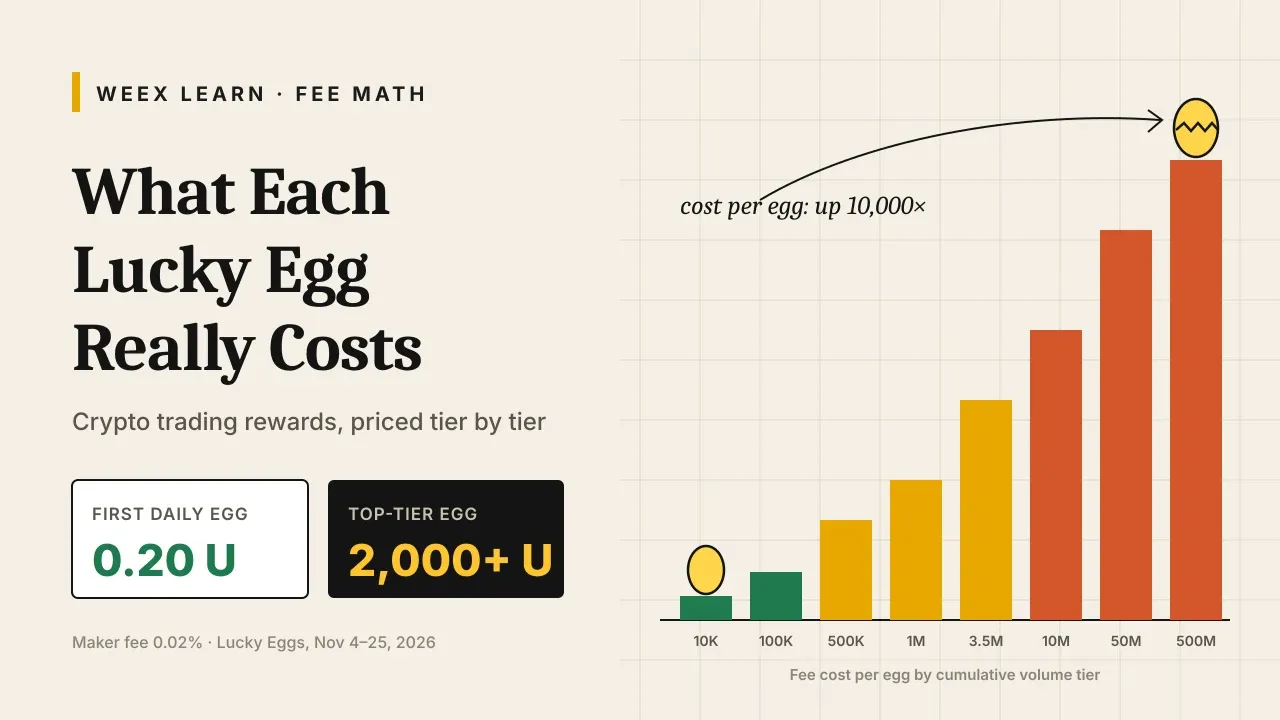
Crypto Trading Rewards: What Each Lucky Egg Really Costs in Fees

WEEX Rewards Guide: Lucky Eggs Tasks, Prizes and a 22-Day Plan

Binance Incident Report: How the Attack Chain Worked and What to Check
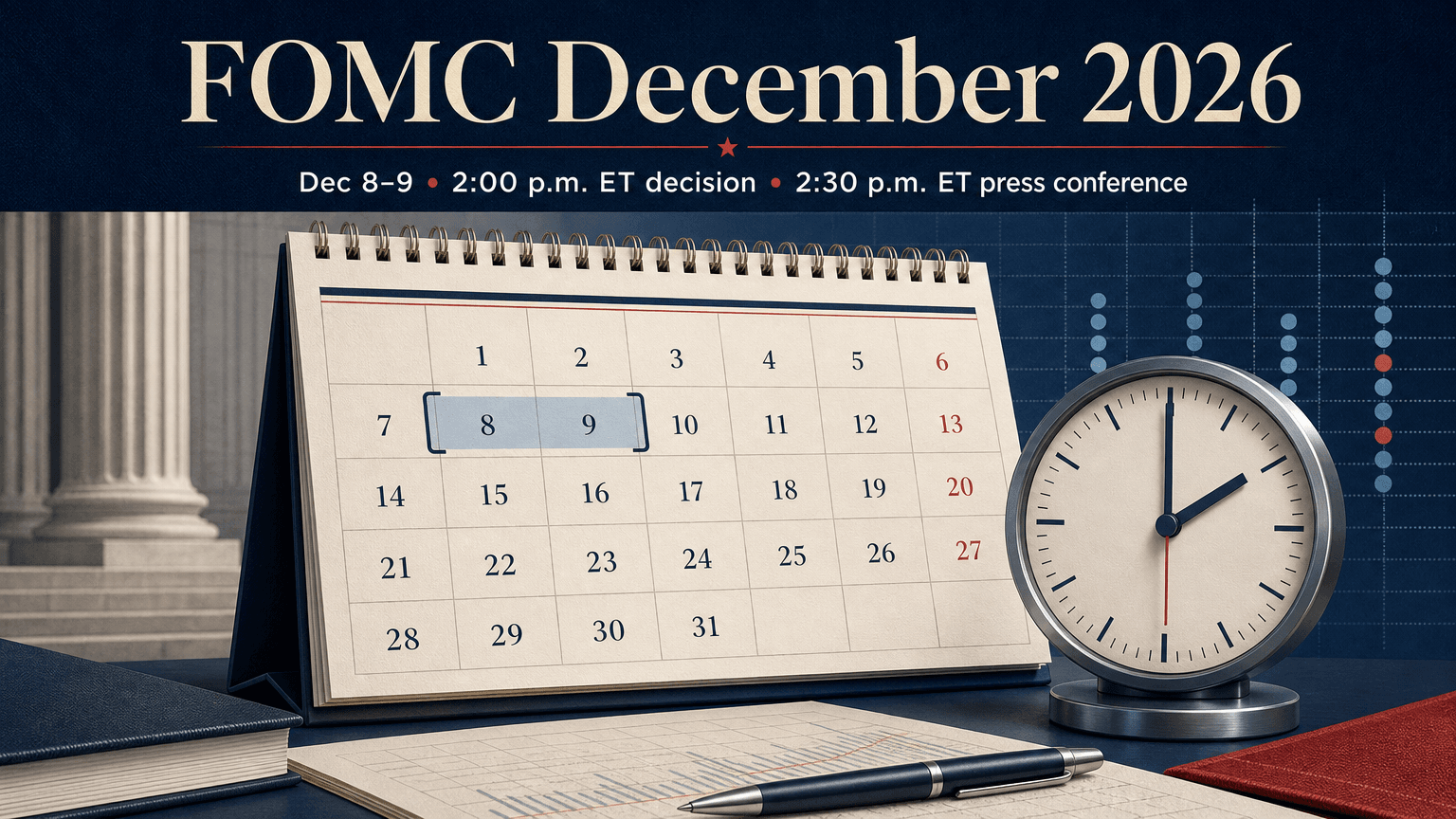
FOMC Meeting December 2026: Date, Schedule and What to Know Before the Rate Decision

Can You Stake Bitcoin? How BTC Staking Works and What It Pays

NEAR Protocol HSP-029 Vote: Can a 36% Issuance Cut Affect NEAR Price?

Bitcoin Futures ETF Explained: How It Works, How It Differs From a Spot Bitcoin ETF and Where the Risks Are
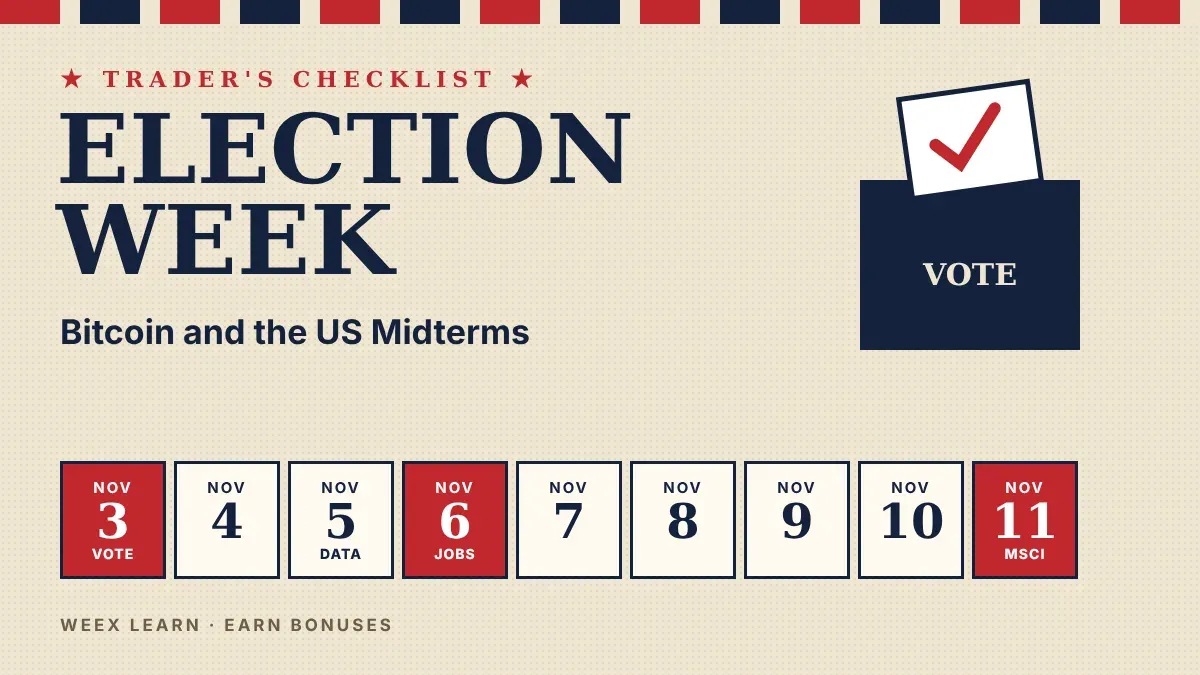
Bitcoin and the US Midterms: A Trader's Checklist for Nov. 3-11
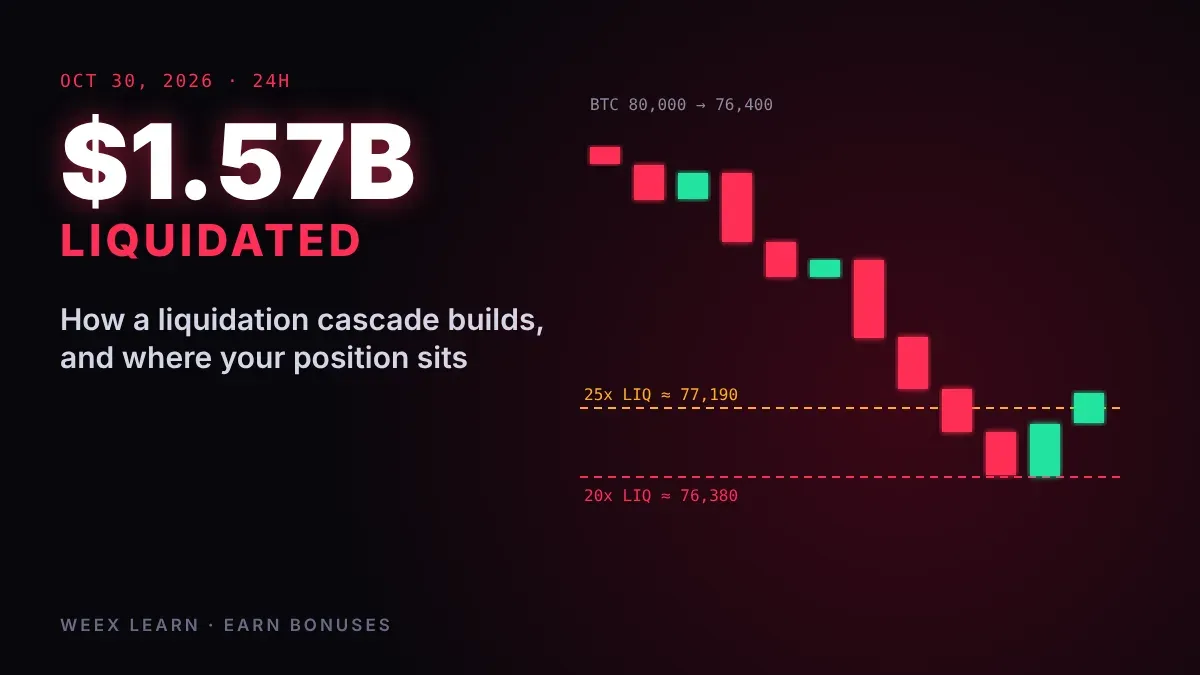
Crypto Liquidation Cascade: What the $1.57B Oct. 30 Flush Taught
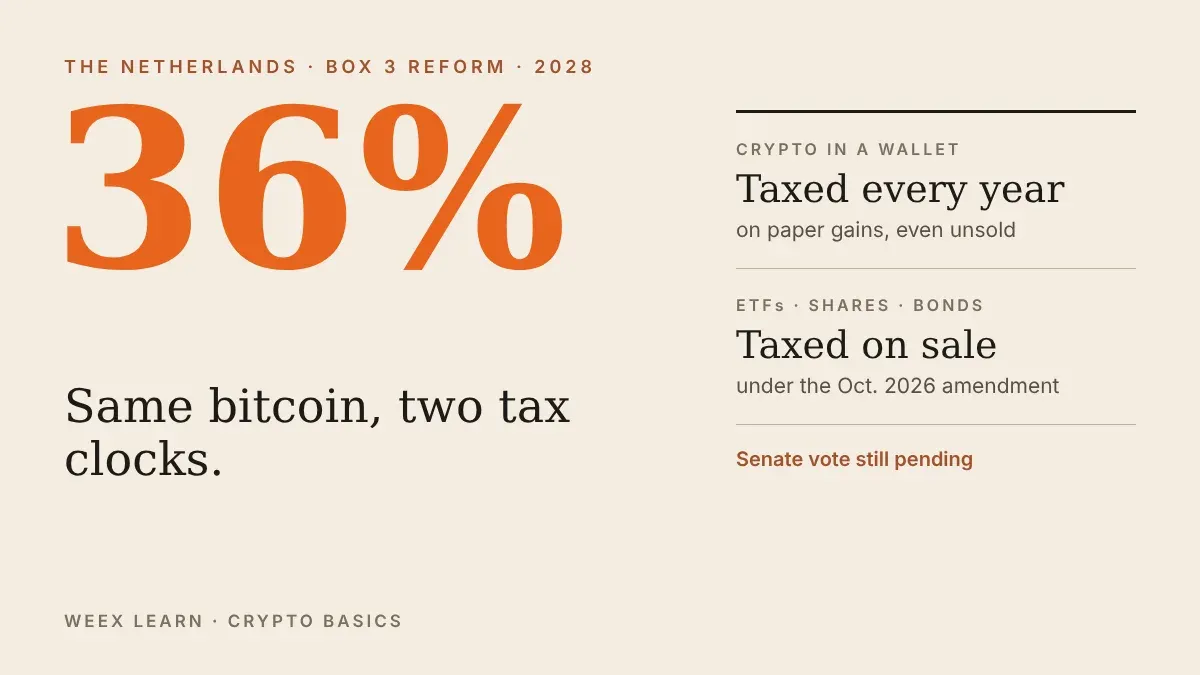
Dutch 36% Crypto Tax: Why Wallets Get Taxed Differently From ETFs
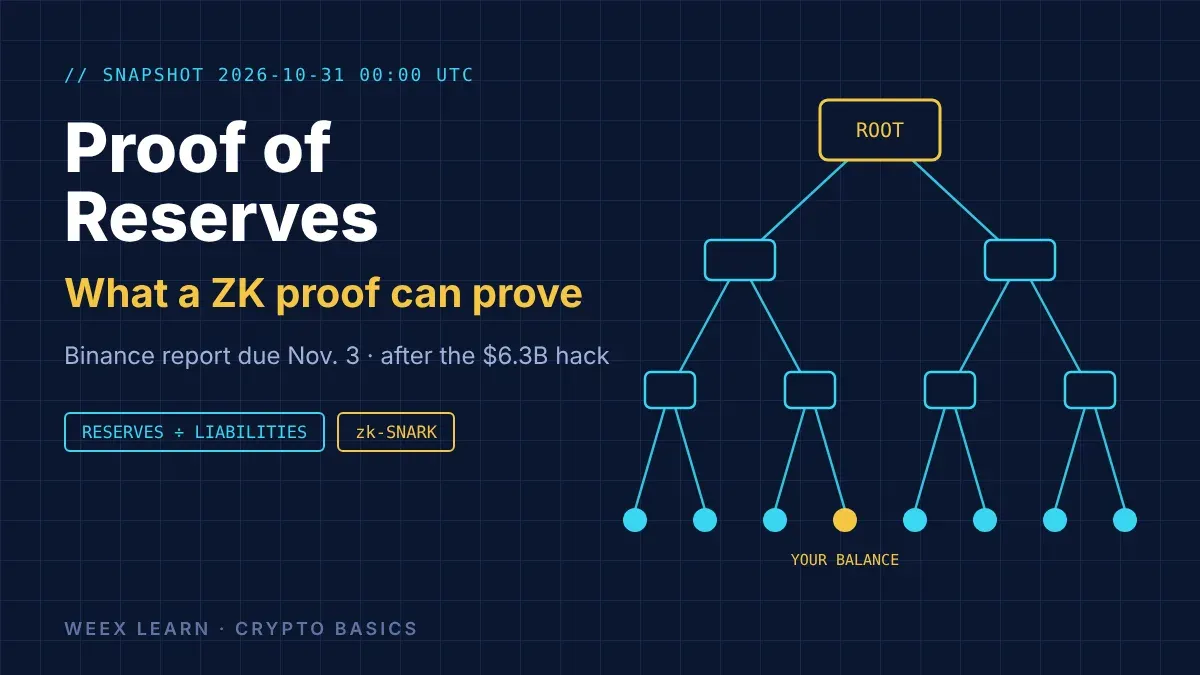
Binance Proof of Reserves: What the Nov. 3 ZK Report Can Prove
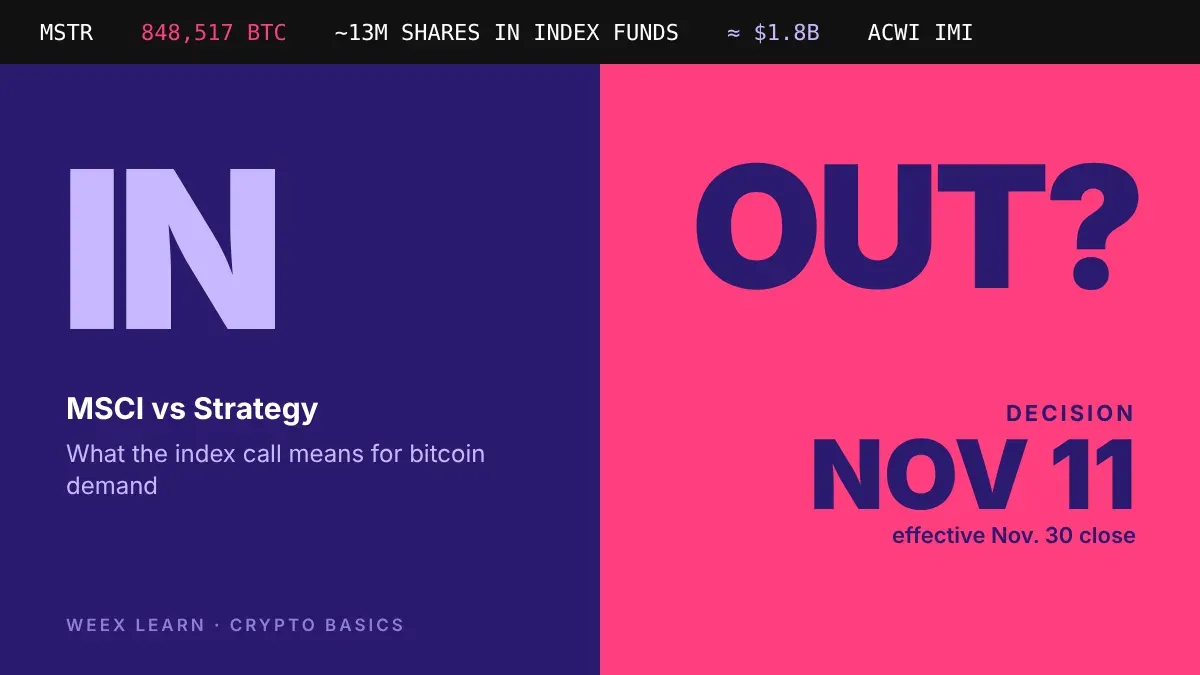
MSCI vs Strategy: What the Nov. 11 Index Decision Means for BTC

Binance Hack Explained: What Is Confirmed, What Is Disputed and What Users Should Do Now
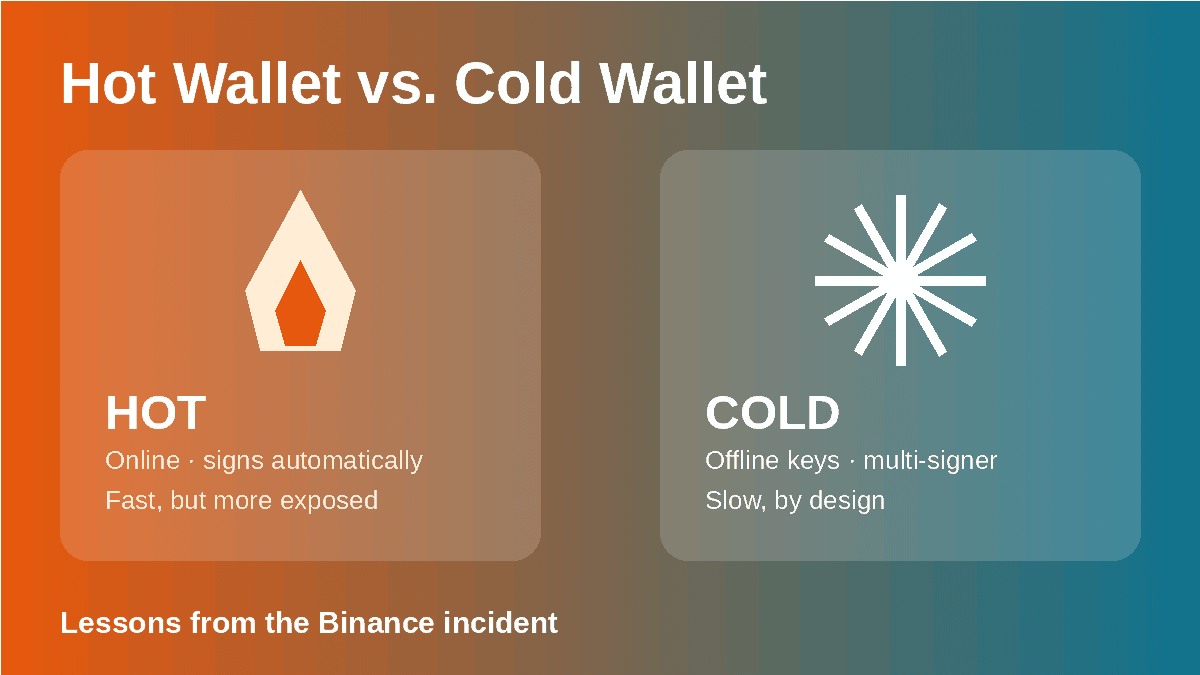
Hot Wallet Security Explained: Lessons From the Binance Incident

How Do Stablecoin Issuers Make Money? The Business Behind a $1 Token
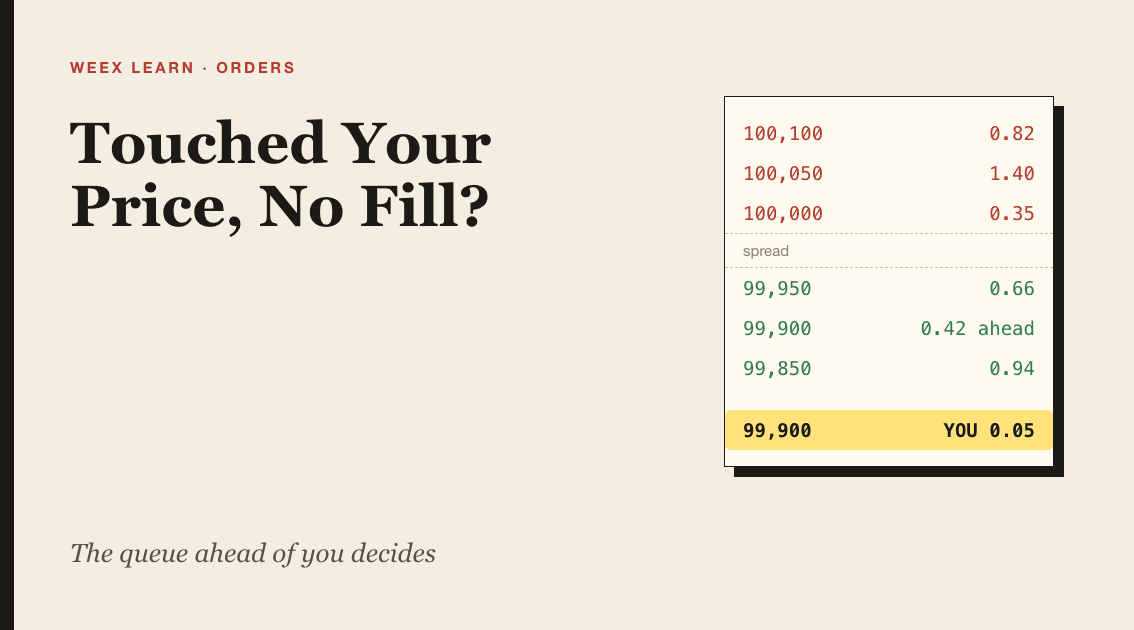
BTC Fights for $80K Before the Fed: Why Leverage Hasn't Flushed

How to Use WEEX Bubbles: A Practical Guide to Crypto Bubbles and Market Trends
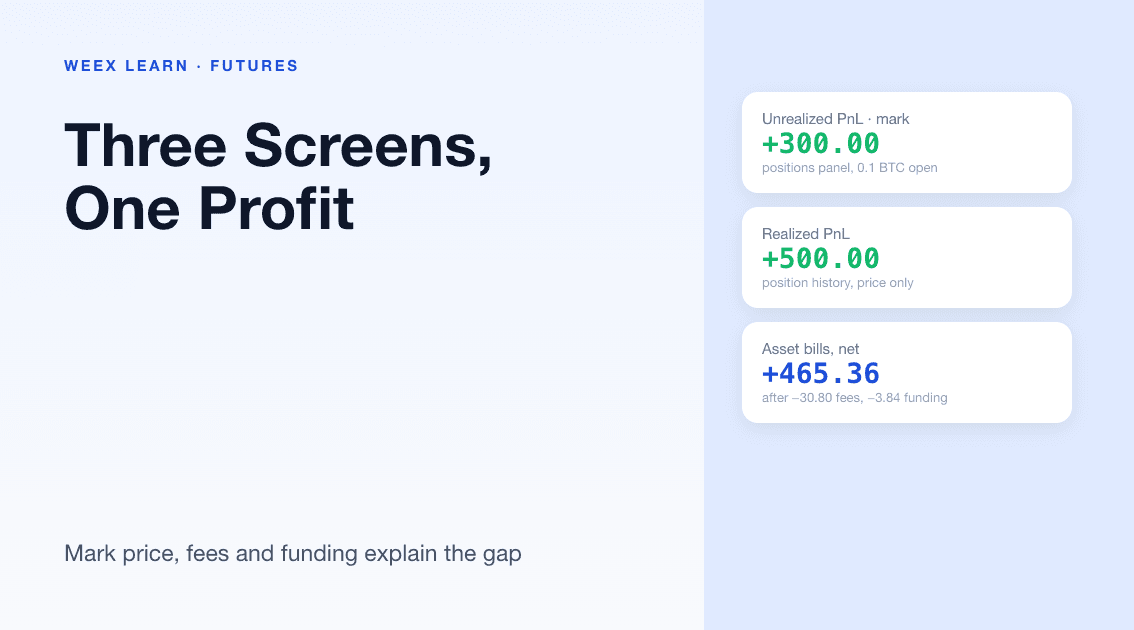
WEEX Futures PnL: Why Your Three PnL Numbers Rarely Match
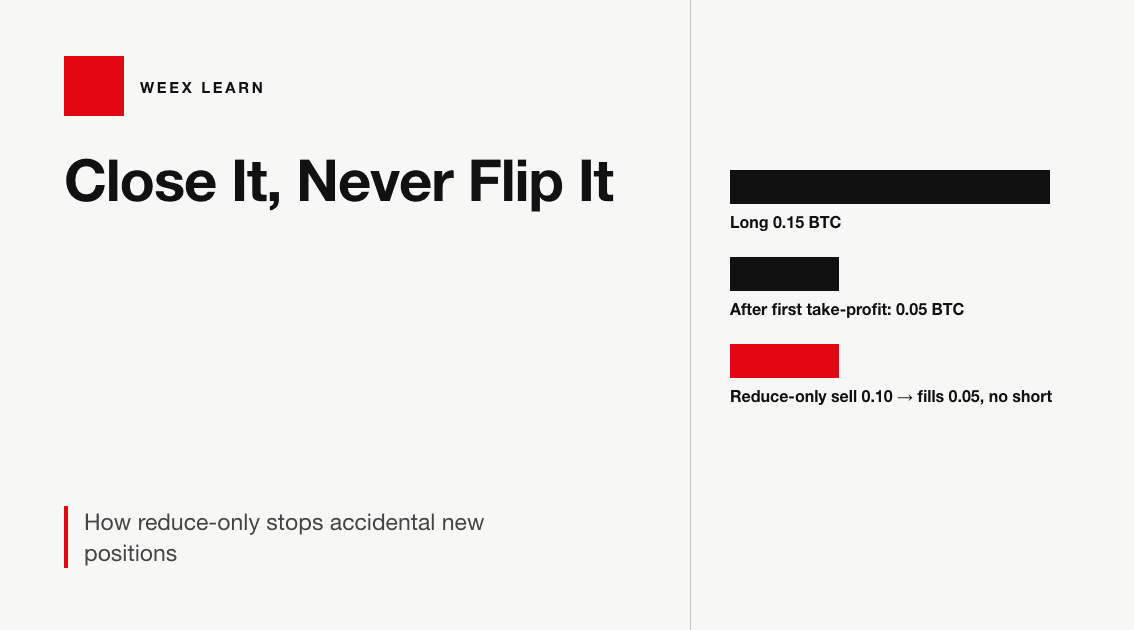
WEEX Reduce-Only Order: What It Does and When It Gets Cancelled
WEEX Stop Loss Not Triggered? Check the Trigger, Then the Fill

WEEX Funding Fee Explained: Rate, Countdown, Records and Math
WEEX Trading Pair Suspended or Delisted? Your Orders and Assets

WEEX Order History: How Orders, Fills and Fees Fit Together
WEEX Minimum Order Size Errors Explained With Rounding Examples

Cancel WEEX Spot Order: What Returns to Your Balance and When
WEEX Limit Order Not Filled? Read the Book, Then Fix the Order
How to Spot Trade on WEEX: From Pair Choice to a Confirmed Fill

How Transparent Is a Crypto Exchange? Checking Proof of Reserves and Protection Funds On WEEX Trust Center
What Is Crypto Convert and How Does It Work? Try Crypto Convert On WEEX Now!
BTC Price Above $78,000 After the Midterms: What Is Confirmed, What Moved and What to Check Next
Crypto Trading Rewards: What Each Lucky Egg Really Costs in Fees
WEEX Rewards Guide: Lucky Eggs Tasks, Prizes and a 22-Day Plan
Binance Incident Report: How the Attack Chain Worked and What to Check
FOMC Meeting December 2026: Date, Schedule and What to Know Before the Rate Decision
Can You Stake Bitcoin? How BTC Staking Works and What It Pays


