
Polygon Proposes Hard Fork to Recover 70.49M POL

 Prefer us on Google

Polygon (POL) is facing a significant governance decision after a proposal emerged to recover approximately 70.49 million stolen POL tokens through a coordinated hard fork of the Polygon Proof-of-Stake (PoS) network. The plan targets funds associated with separate security incidents involving Binance and Polymarket in late October 2026.
Published on November 4, the Polygon recovery proposal would move native POL balances from five blocked attacker-controlled addresses to verified recovery wallets designated by the affected platforms. The proposed process would preserve POL's total supply but introduce an exceptional change to the network's recorded account balances.
The announcement attracted attention amid a rebound in POL's market price. According to a WEEX market snapshot recorded on November 5 at 16:40 Beijing time, POL spot traded at approximately 0.09838 USDT, up 5.05% over 24 hours. POL perpetual futures were quoted near 0.09829 USDT, up 5.08%.
However, the proposed hard fork had not been confirmed as implemented at the time of the market snapshot. A governance discussion, technical review and network upgrade would be necessary before any recovery could occur.
This article explains the Polygon hard fork proposal, how the 70.49 million POL recovery would work, the difference between freezing stolen assets and restoring ownership, and what traders should watch as Polygon evaluates the proposal.
Why Is Polygon Proposing a Hard Fork?
Polygon's recovery proposal follows two separate security incidents involving Binance and Polymarket on October 29 and 30, 2026.
In both incidents, stolen native POL tokens were transferred to addresses on Polygon PoS. At the request of the affected parties, Polygon's block producers added the identified addresses to their transaction block lists to prevent further movement.
This intervention helped restrict the stolen funds, but it did not transfer the assets back to their original owners.
The November 4 proposal, titled Recovery of Funds Held in Blocked Addresses following the Polymarket and Binance Incidents, seeks to resolve that limitation through an exceptional network-level change.
According to the official Polygon governance proposal, five identified attacker-controlled addresses contain approximately 70.49 million native POL.
The proposed hard fork would reassign those balances to wallets designated and verified by Binance and Polymarket.
How Much Stolen POL Is Involved?
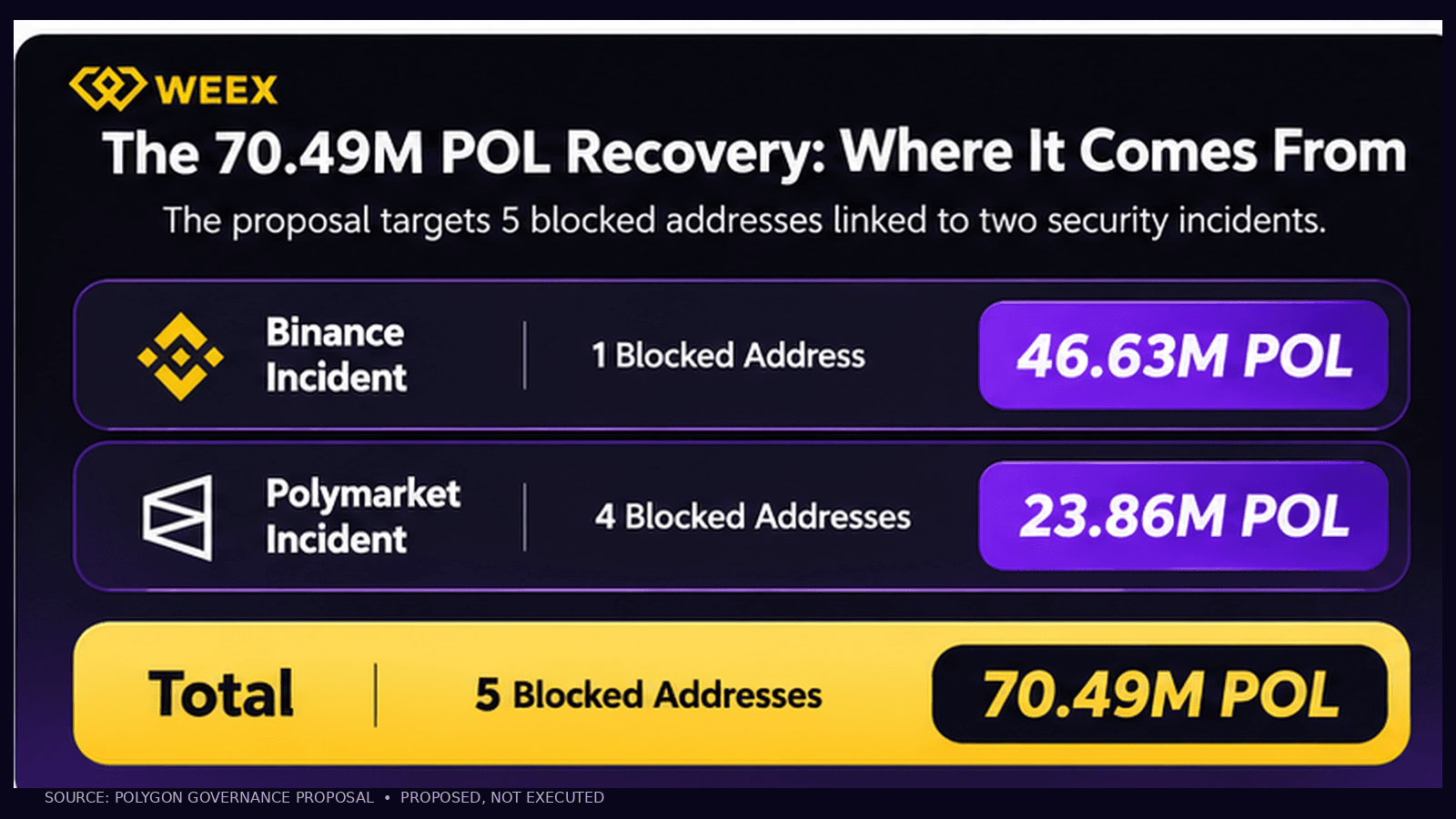
The proposal identifies the following balances:
| Incident | Blocked Addresses | Native POL Identified |
|---|---|---|
| Binance security incident | 1 | 46,626,593.27 POL |
| Polymarket security incident | 4 | 23,862,736.07 POL |
| Total | 5 | 70,489,329.34 POL |
Source: Polygon Community Forum, November 4, 2026. Figures represent reference balances identified in the proposal, not completed recovery transfers.
At an indicative POL price of $0.0924 on October 29, the combined amount was valued at approximately $6.51 million.
This dollar figure is a historical estimate. The market value of the tokens changes with POL's price.
The proposal focuses specifically on native POL held at these five addresses. It does not cover every asset affected by the broader security incidents.
What Happened During the Binance Incident?
According to the Polygon proposal, a Binance hot wallet transferred approximately 46.63 million native POL and 6.19 million USDT to an attacker-controlled address.
Tether subsequently froze the affected USDT, while Polygon's block producers restricted transactions from the address containing the stolen POL.
The proposed hard fork addresses the native POL balance, not the already-frozen USDT.
This distinction matters because the recovery mechanisms for different assets can vary according to their technical design.
A token issuer may have certain freezing capabilities for a centrally administered asset, while recovering native blockchain currency without the holder's private key presents a different technical problem.
What Happened During the Polymarket Incident?
The proposal also describes a separate incident involving approximately 28 million POL associated with Polymarket.
Four blocked addresses identified for the proposed recovery hold approximately 23.86 million POL.
The amount targeted by the recovery proposal is therefore narrower than the total POL associated with the incident.
Polymarket's reported incident details and the on-chain transfers were used as part of the justification for identifying the affected addresses.
The proposal aims to return the restricted balances to a verified recovery wallet rather than leave them indefinitely inaccessible.
How Would the Polygon Hard Fork Recover Stolen POL?
The central question is how Polygon could return stolen funds without access to the attackers' private keys.
Under ordinary blockchain transaction rules, transferring native cryptocurrency requires authorization from the account controlling those funds.
A transaction block list can prevent an address from sending transactions through participating block producers, but it does not create a valid transaction returning the assets to their previous owners.
Polygon's proposed solution is to introduce a one-time change to the network's consensus rules.
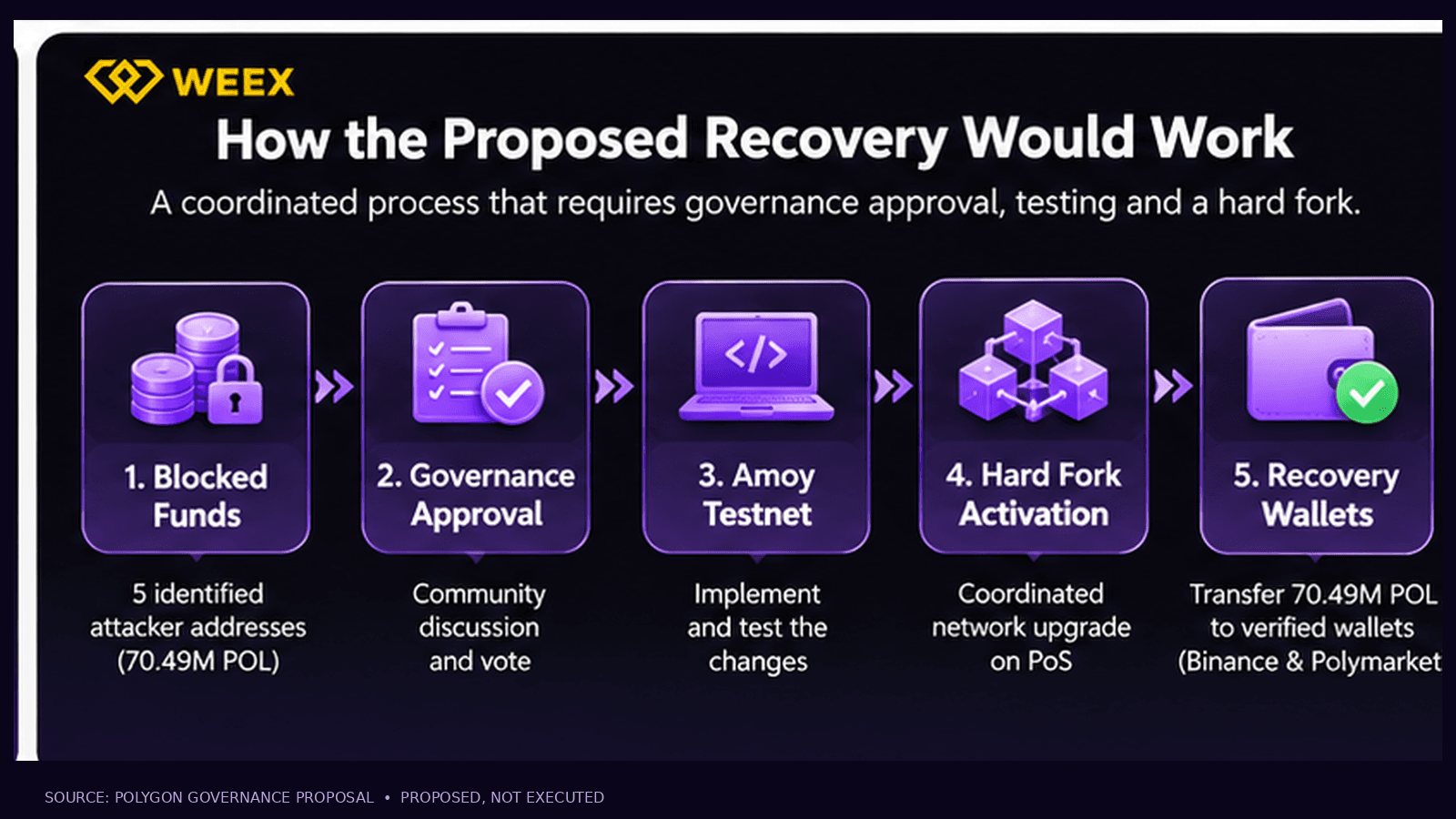
Step 1: Identify the Blocked Addresses
The recovery proposal contains a closed list of five attacker-controlled addresses associated with the two incidents.
Four are linked to Polymarket, while one is linked to Binance.
The proposal distinguishes these recovery targets from other addresses that may have been restricted as a precaution.
Only the designated native POL balances would be included in the proposed reassignment.
Step 2: Activate a Coordinated Network Upgrade
If Polygon governance approves the proposal and the required technical preparation is completed, validators would upgrade their software before a specified mainnet block.
At the activation block, the upgraded rules would apply the exceptional balance change.
The exact activation block and required client release were not finalized in the original proposal.
A coordinated upgrade is necessary because the operation changes how participating nodes interpret the blockchain's state.
Step 3: Reassign the Native POL Balances
The proposed mechanism would read the native POL balance of each listed address immediately before the activation block.
It would then set that address's native POL balance to zero and credit the same amount to the corresponding verified recovery wallet.
The operation would occur as a network state transition, not as an ordinary transaction signed by the attacker.
For a broader explanation of how protocol changes can affect blockchain continuity, WEEX's Chain Split guideintroduces the distinction between hard forks, soft forks and competing chain histories.
Step 4: Verify the Recovery
Before activation, Binance and Polymarket would need to demonstrate control over their designated recovery addresses.
The proposal describes possible verification methods, including signed messages or small test transfers, together with written confirmation.
After activation, the balance changes would be published so that observers could independently verify the results.
Importantly, these steps remain part of the proposed process. They should not be described as completed merely because the recovery plan has been published.
Will Recovering 70.49 Million POL Increase Its Total Supply?
No. Under the proposed design, the recovery would not increase or decrease POL's total supply.
The mechanism would transfer an existing balance from one set of addresses to another through a coordinated state change.
For example, if an identified address held 10 million native POL immediately before the activation block, the proposed rules would remove that balance from the listed address and credit the same amount to the verified recovery destination.
The combined balance across those accounts would remain unchanged.
This distinguishes the proposal from mechanisms involving additional token issuance, inflation or permanent token destruction.
Is the Hard Fork the Same as Burning Stolen POL?
No.
Although the proposed implementation would set the listed attacker addresses' balances to zero, it would credit an equivalent amount to recovery addresses.
The objective is asset reassignment rather than supply destruction.
The proposal also leaves the existing bridge contracts and certain other Polygon infrastructure outside the scope of the balance change.
Therefore, investors should not interpret the recovery plan as a POL token burn or a new deflationary mechanism.
Would the Recovery Directly Compensate Individual Users?
The proposal designates recovery wallets controlled by Binance and Polymarket.
It does not specify that every affected user would automatically receive a direct on-chain payment through the fork.
Any subsequent accounting, distribution or reimbursement arrangements would need to be handled separately by the relevant parties.
This distinction is important when evaluating claims that the stolen funds have been returned to individual customers.
-- Price
Has Polygon Approved the 70.49M POL Hard Fork?
The original proposal scheduled its presentation for the Polygon Protocol Governance Call on November 5, 2026, at 14:30 UTC, equivalent to 22:30 Beijing time.
The meeting agenda included the Binance and Polymarket recovery proposal alongside other protocol updates.
The official PPGC-47 agenda confirms that the recovery plan was included for discussion.
However, a scheduled presentation does not establish that the proposal has passed the required governance process.
As of the latest publicly verified information used for this article, no final approval, mainnet activation block or completed recovery had been confirmed.
What Must Happen Before the Hard Fork?
The original plan identifies several requirements:
| Stage | Requirement |
|---|---|
| Governance | Approval through Polygon's applicable governance process |
| Evidence review | Confirm incident reports and affected balances |
| Recovery wallets | Verify ownership and authorization |
| Development | Prepare the required Polygon client changes |
| Testing | Rehearse the balance transition on the Amoy testnet |
| Validator coordination | Ensure participating nodes upgrade before activation |
| Mainnet activation | Execute the approved change at the designated block |
The proposal suggests that technical development and testing could take approximately two weeks after approval.
That estimate is conditional, not an announced mainnet launch date.
The actual timeline will depend on governance decisions, testing results and validator readiness.
Why Is the Polygon Recovery Proposal Controversial?
The proposal creates a difficult trade-off between asset recovery and the principle of blockchain immutability.
On one hand, a successful recovery could restore access to funds associated with publicly acknowledged security incidents.
On the other hand, changing balances without authorization from the account's current private-key holder raises questions about who should have the power to intervene in blockchain ownership records.
Asset Recovery Versus Immutability
Blockchains are generally designed to preserve a consistent transaction history under agreed network rules.
A hard fork can change those rules, potentially allowing a network to implement an exceptional state transition.
Supporters of the proposed recovery may argue that the identified thefts, public documentation and restricted address list create extraordinary circumstances.
Critics may question whether allowing such a change could weaken expectations that account balances cannot be altered through governance intervention.
Both considerations are relevant to confidence in the network.
Why Does Polygon Describe This as an Exceptional Measure?
The proposal explicitly frames the recovery as an extreme action that should not become routine.
Its justification relies on several conditions occurring together, including publicly acknowledged thefts, traceable affected balances, requests from the victims and prior restrictions imposed by block producers.
The proposal also rejects the creation of a permanent general-purpose freeze-and-recover mechanism.
Instead, it seeks a one-time intervention limited to the identified addresses.
However, describing an action as exceptional does not eliminate questions about future precedent.
The practical consequences will depend on how Polygon governance evaluates and documents the decision.
Could the Hard Fork Cause a Chain Split?
A hard fork involves a change to network consensus rules.
If some validators and node operators follow the updated rules while others continue operating incompatible software, the network could temporarily or persistently diverge.
The proposal addresses this possibility through testnet rehearsals, advance notice and coordination with validators and infrastructure providers.
Chain fragmentation is a risk rather than an inevitable outcome.
Successful coordination would be important for preserving consistent network operations during any eventual activation.
Why Did POL Price Rise Around 5%?
The WEEX market snapshot on November 5 showed POL spot trading near 0.09838 USDT, with a 24-hour increase of approximately 5.05%.
The recovery proposal provided a notable Polygon-specific development during the same period.
However, a coinciding price increase does not prove that the proposal was the sole cause of the rebound.
Recovery Expectations and Market Sentiment
The announcement may have influenced expectations about whether Polygon can address security incidents affecting important ecosystem participants.
A credible recovery process could be interpreted positively by some traders, particularly if it demonstrates effective coordination among network participants.
However, those expectations remain conditional on approval and successful implementation.
A proposed recovery should not be treated as an already realized improvement in network security.
Governance Concerns Could Also Affect POL
The same intervention that some investors view as constructive may raise concerns for others.
Questions about decentralization, validator discretion and the circumstances under which account balances can be changed could influence confidence in the network.
As a result, the market implications are not unambiguously positive.
The longer-term effect may depend on both the technical outcome and the governance process used to reach it.
Broader Cryptocurrency Market Conditions
POL remains exposed to general cryptocurrency-market movements.
Changes in Bitcoin prices, overall risk appetite, exchange liquidity and derivatives positioning can contribute to short-term volatility.
The 5.05% spot gain and 5.08% perpetual futures gain recorded in the brief were measured over the same reported period but involved different products.
Those historical figures should not be interpreted as current trading prices or evidence of future returns.
For additional context on the governance debate, the WEEX analysis of Polygon's proposed balance reassignmentexamines the difference between changing account balances and changing overall token supply.
What Is Polygon (POL), Formerly MATIC?
Polygon is an Ethereum-related blockchain ecosystem that provides infrastructure for applications, payments and blockchain transactions.
Its Polygon PoS network supports smart contracts and digital-asset transfers while using its own validator infrastructure.
POL is the ecosystem's native token, succeeding MATIC as part of Polygon's token transition.
The token plays roles in network operations, transaction fees and staking.
WEEX previously announced POL/USDT spot trading support, including an introduction to the token's functions within the Polygon ecosystem.
What Is the Role of POL in Network Security?
Polygon relies on validators and other network participants to help maintain the integrity and operation of its blockchain infrastructure.
Staking supports network security through economic incentives and associated protocol rules.
The current recovery debate also highlights another dimension of validator participation: coordinating exceptional protocol changes.
Validators do not simply process transactions in isolation. Network upgrades may require operational alignment across validators, node operators and supporting infrastructure.
However, staking POL does not give an individual holder unrestricted power to change balances or reverse transactions.
The proposed recovery requires the applicable governance and technical procedures.
What Should POL Holders Watch Next?
Several developments could determine the significance of Polygon's proposed hard fork.
Governance outcome: Whether the recovery proposal receives formal approval and whether its scope changes during review.
Client development: Whether Polygon releases the required software updates and technical implementation details.
Amoy testing: Whether the proposed balance reassignment can be demonstrated without unintended changes to other accounts.
Validator coordination: Whether sufficient infrastructure participants adopt compatible client versions before activation.
Recovery verification: Whether Binance and Polymarket verify control over the receiving addresses and publish the required confirmations.
Network confidence: Whether participants accept the intervention as a narrowly justified exception or view it as an unfavorable precedent.
The most important distinction is between a proposed action, an approved network upgrade and a completed recovery.
Each stage represents a different level of certainty.
How to Buy and Trade POL on WEEX
Users interested in Polygon following the hard fork proposal can review POL trading products on WEEX.
Spot and perpetual futures provide different forms of market exposure, and users should confirm the current availability of each product before attempting to trade.
Step 1: Create or Log In to Your WEEX Account
Visit the WEEX platform and sign in to your account.
New users should complete any applicable registration and verification requirements.
Confirm that POL trading products are accessible in your jurisdiction.
Step 2: Prepare Your USDT Balance
Check whether you have sufficient USDT in the appropriate trading account.
If a deposit is required, verify the receiving address and supported network before transferring funds.
The WEEX guide to buying Polygon (POL) provides additional information on preparing a balance and using spot trading.
Step 3: Choose POL Spot or Futures
To buy the underlying Polygon token, open the POL/USDT spot trading page on WEEX.
Spot trading allows eligible users to exchange USDT for POL through available order types.
Users interested in derivatives can review the POL/USDT perpetual futures page on WEEX.
A perpetual futures contract provides exposure to POL price movements without requiring a direct purchase of the underlying token.
Futures products may involve leverage, margin requirements, funding costs and liquidation risk. Trading access can also be restricted during exceptional market conditions or circuit breakers.
Step 4: Review Market Conditions and Order Details
Before submitting a trade, check the displayed quotation, order-book liquidity and available order types.
Market orders can be affected by slippage, particularly when liquidity is limited.
Limit orders allow users to specify an execution price, but execution is not guaranteed.
For perpetual futures, review the contract specifications and risk indicators before entering a position.
Step 5: Confirm and Monitor Your Trade
After reviewing the order amount, fees and potential risks, eligible users can submit the transaction.
Spot holders can monitor their POL balances, while futures traders should track margin levels, funding rates and liquidation conditions.
Since regulatory and governance developments can produce sudden market reactions, users should monitor official Polygon announcements rather than relying solely on historical price movements or unconfirmed social-media reports.
Conclusion
Polygon's proposal to recover approximately 70.49 million stolen POL represents an unusual test of blockchain governance and network coordination.
The plan would transfer native POL balances from five blocked attacker-controlled addresses associated with the Binance and Polymarket incidents to verified recovery wallets through a coordinated Polygon PoS hard fork.
Crucially, the proposed mechanism would not increase POL's total supply. It would reassign existing balances rather than create new tokens.
However, the funds have not been confirmed as recovered merely because the proposal was introduced. Governance approval, testing, validator upgrades and recovery-address verification remain essential steps.
For POL holders, the broader issue extends beyond the amount involved. The debate raises questions about how a decentralized network should respond to major thefts while maintaining confidence in consistent and predictable ownership rules.
The outcome of Polygon's governance process, rather than the initial announcement alone, will determine whether the proposed recovery becomes an implemented network change.
FAQ
1. Why Is Polygon Proposing a Hard Fork to Recover Stolen POL?
Polygon's proposal seeks to recover approximately 70.49 million native POL associated with separate Binance and Polymarket security incidents. The funds are restricted at five attacker-controlled addresses, but existing block lists do not provide a way to return them to the affected platforms.
2. Has Polygon Already Recovered the 70.49 Million POL?
No completed recovery was confirmed in the publicly verified information used for this article. The proposal requires governance approval, technical preparation, testnet validation and a coordinated mainnet activation before any proposed balance reassignment can occur.
3. Will the Polygon Hard Fork Increase or Burn POL Supply?
No. The proposed mechanism would remove existing native POL balances from five listed addresses and credit equivalent amounts to verified recovery wallets. The total POL supply would remain unchanged.
4. Could the Polygon Hard Fork Affect POL Price?
The proposal may influence expectations about network security, asset recovery and governance. However, POL's price also depends on market liquidity, demand, broader crypto conditions and investor sentiment. Neither approval nor recovery would guarantee a price increase.
5. How Can Users Buy or Trade POL on WEEX?
Eligible users can review the POL/USDT spot and perpetual futures markets on WEEX. Spot trading involves purchasing the underlying cryptocurrency, while perpetual futures provide derivative price exposure with additional leverage and liquidation risks. Users should check actual product availability before placing orders.
This content is provided for general informational purposes only and doesn't constitute financial, investment, legal, or tax advice. Any events, rewards, online promotions, or related information mentioned herein should not be considered a recommendation, solicitation, or invitation to purchase, sell, trade, or otherwise deal in any crypto assets. Crypto assets are highly volatile and may result in loss. The availability of WEEX services, products, and related events may vary by region. You are responsible for ensuring that your participation is in accordance with applicable local laws and regulations.
You may also like
INJ Staking ETF Goes Live: Can 90% Staking Drive Demand?

SNDK Crashes 22%: Is the AI Storage Boom Losing Steam?

Circle Revenue Hits $865M, But Can CRCL Sustain Growth?
Is GM on BSC a CZ Token? What Is Confirmed and What Is Not

What Is GM on BSC? GREEN MORNING Jumps Over 400% on a Reported Musk–CZ Meme Moment
Zcash NU7 Upgrade: 25-Second Blocks, Same 21M ZEC Supply
Hyperliquid ICE Deal: What US Perps Mean for HYPE Holders
Ripple National Trust Bank: What OCC Approval Means for XRP
Why Is Bitcoin Down Today? BTC's Slide to $76K Explained
Binance Hack Explained: What the $6.3B Theft Means for Users
CC Spot vs Futures on WEEX: Trading Canton's SEC Headline Risk
How to Buy USOE? What DEX Access Involves, Which Wallet and Contract Risks Apply and What an Exchange Listing Would Require
Is USOE Legit? What the Website Claims, What Independent Sources Found and What Is Still Missing

Crypto Passive Income: What $1,000 Earns in Each WEEX Product
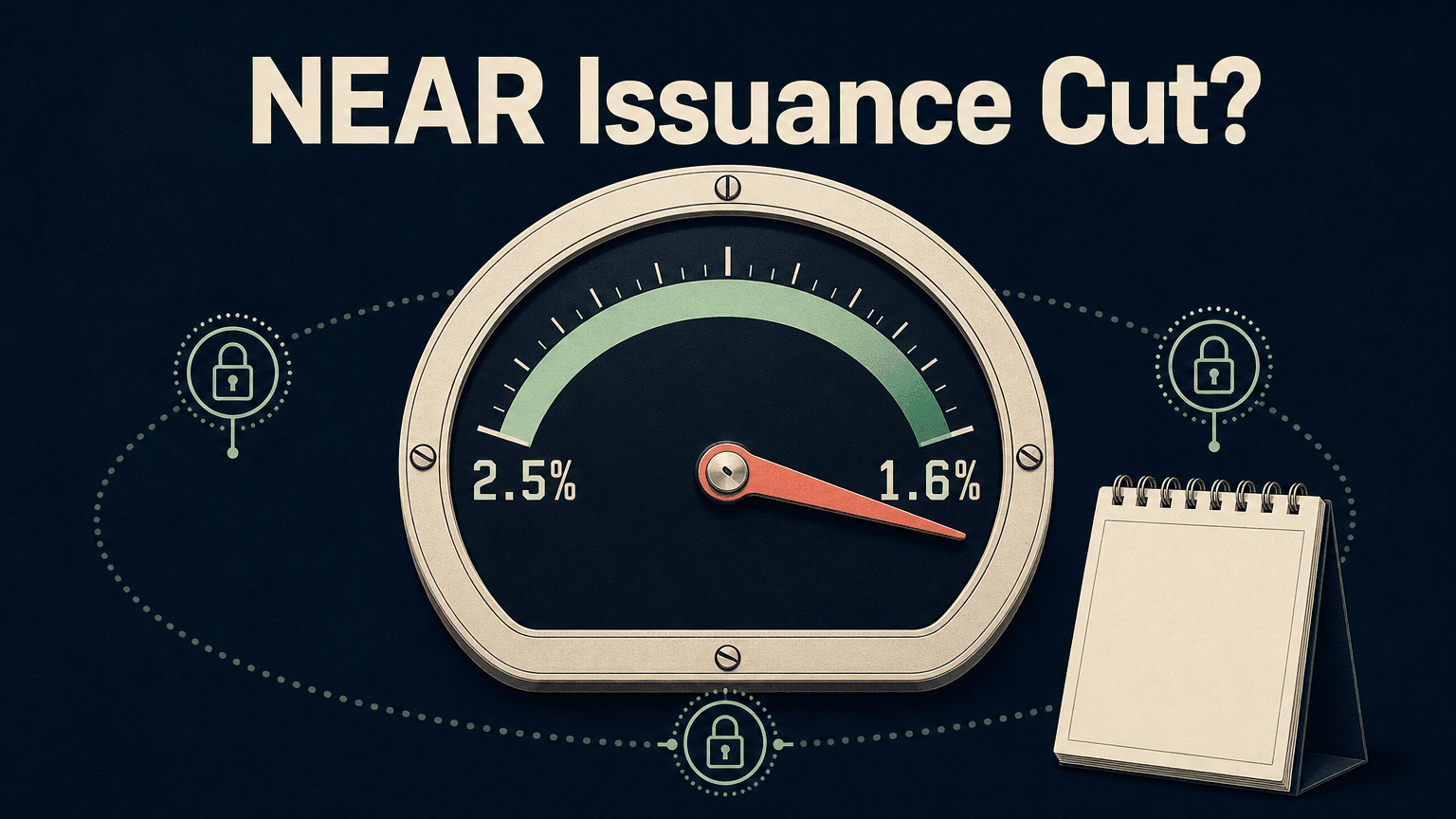
NEAR Protocol HSP-029: Max Issuance Falls From 2.5% to 1.6%, but When Does the Change Take Effect?

SMCI Reports $19.9B Revenue as Margin Falls

NEAR Up 4.8% After HSP-029 Issuance Vote Passes
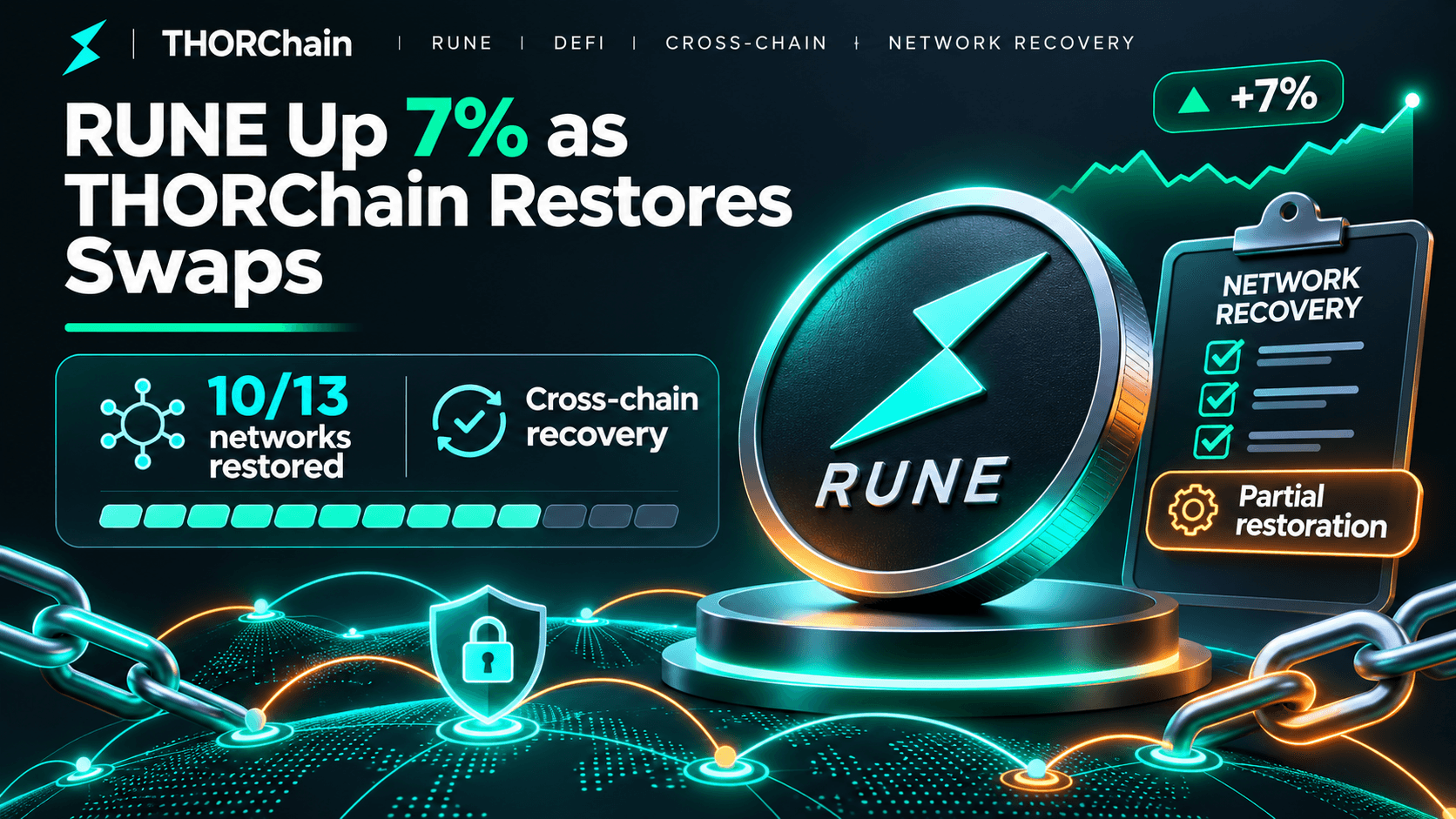
RUNE Up 7% as THORChain Restores Swaps

What Is USOE (United States Oil Exchange)? Claims, Contract Checks and Liquidity Risks
BTC Price Above $78,000 After the Midterms: What Is Confirmed, What Moved and What to Check Next
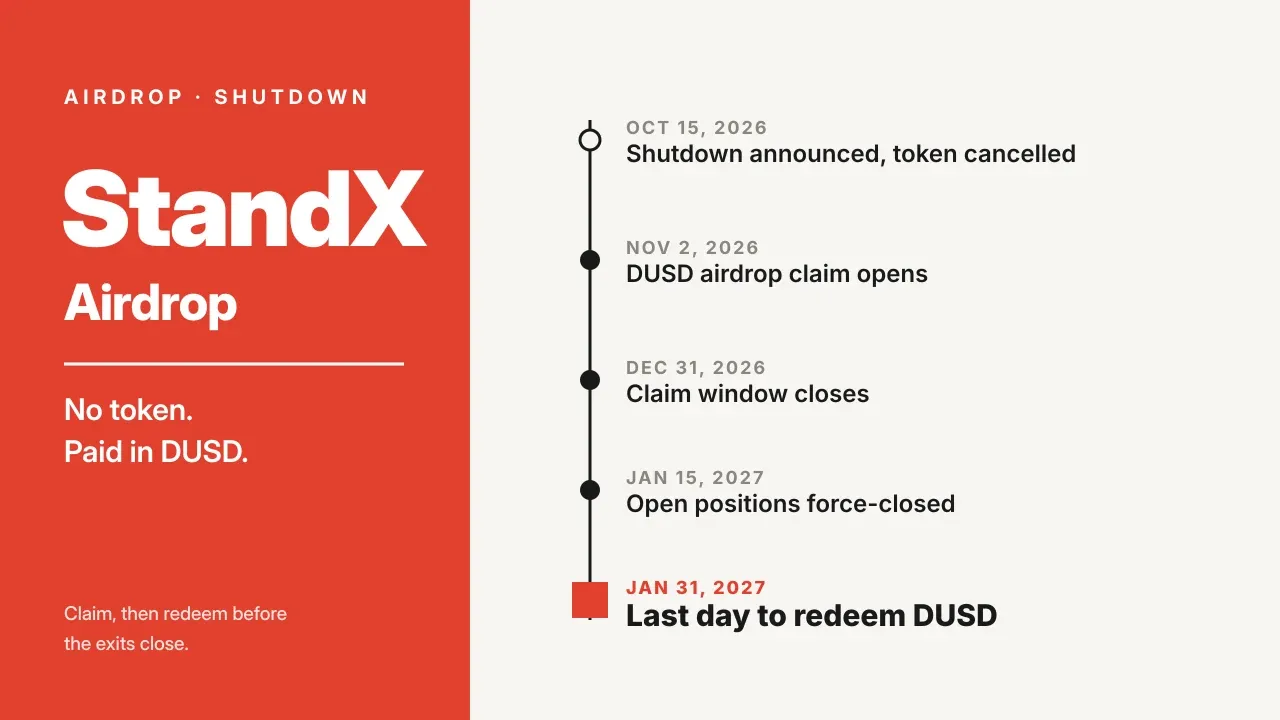
StandX Airdrop: Claim Your DUSD and Redeem It Before January 31
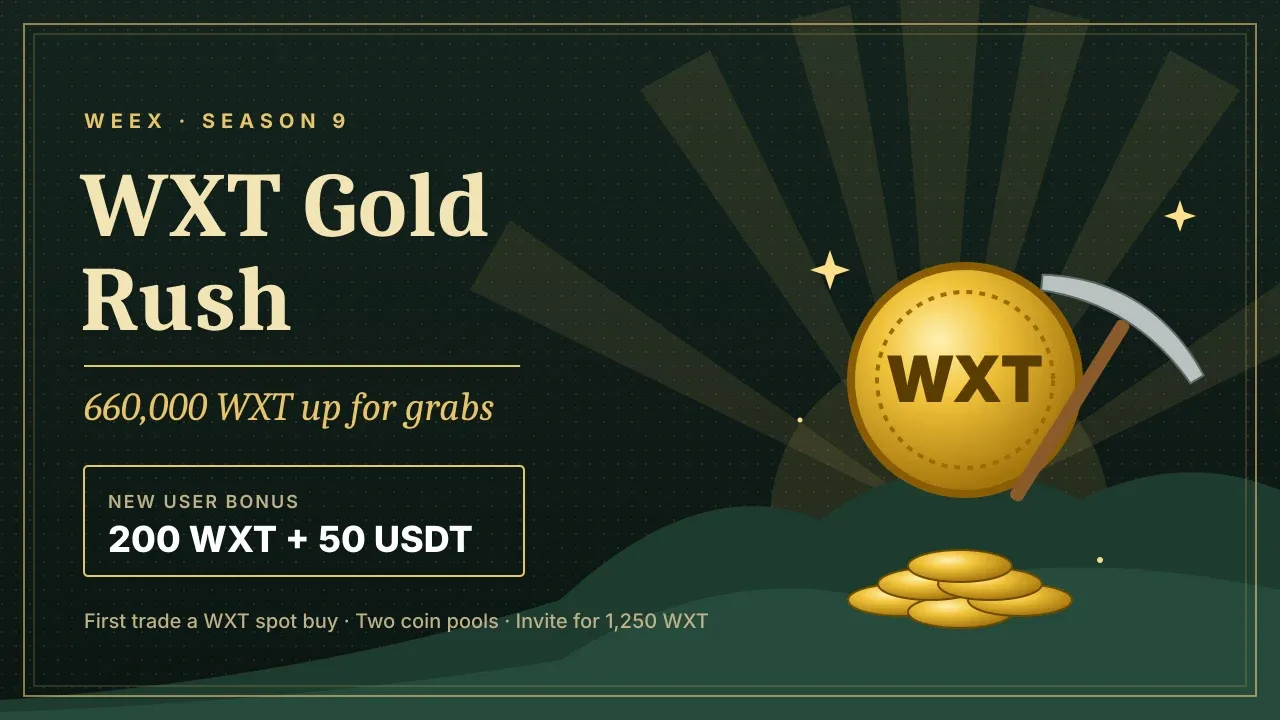
WXT Rewards Season 9: How to Claim Your Share of 660,000 WXT

WEEX Rewards Guide: Lucky Eggs Tasks, Prizes and a 22-Day Plan
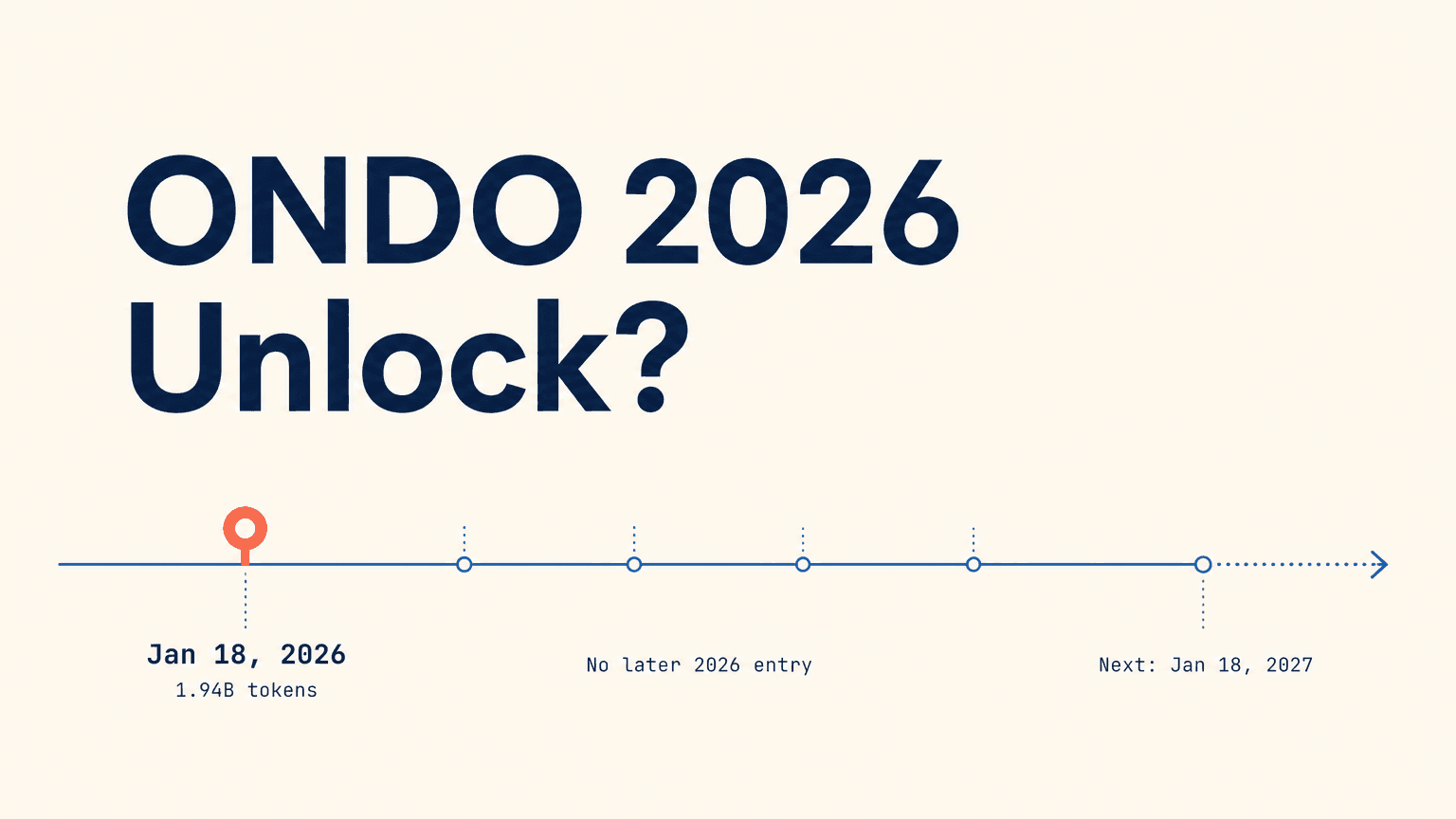
ONDO Token Unlock Schedule 2026: Is There Another Unlock This Year?

Binance Incident Report: How the Attack Chain Worked and What to Check
What Is Project Cortex (XTX) Crypto? How to Identify the Token Behind the Trending Name

Is United States Oil Exchange (USOE) Really Oil-Backed? Reserve Claims and Token Holder Rights
USDC vs USDT Interest Rates 2026: Which Stablecoin Earns More?

AAPL Stock After Earnings: Why Apple Shares Fell Despite Record Revenue and What the Margin Guidance Means
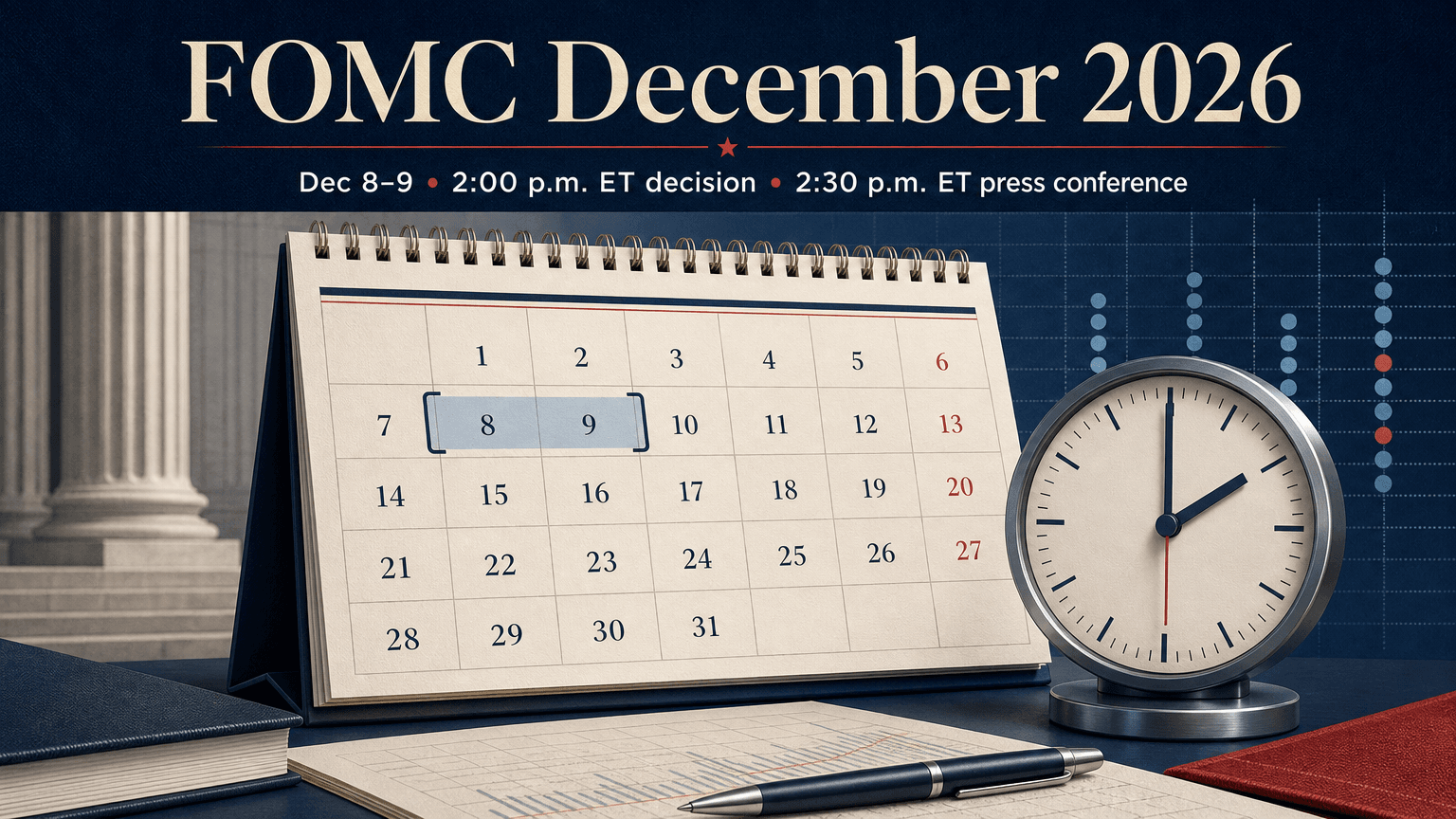
FOMC Meeting December 2026: Date, Schedule and What to Know Before the Rate Decision
INJ Staking ETF Goes Live: Can 90% Staking Drive Demand?
SNDK Crashes 22%: Is the AI Storage Boom Losing Steam?
Circle Revenue Hits $865M, But Can CRCL Sustain Growth?
Is GM on BSC a CZ Token? What Is Confirmed and What Is Not
What Is GM on BSC? GREEN MORNING Jumps Over 400% on a Reported Musk–CZ Meme Moment
Zcash NU7 Upgrade: 25-Second Blocks, Same 21M ZEC Supply
Contents
Popular coins
Latest articles


