
GME Stock's CEO Just Bought Another $26 Million in Shares: His Stake Just Crossed 40 Million

 Prefer us on Google

GME stock climbed in premarket trading Tuesday after a new SEC filing showed Chairman, President, and CEO Ryan Cohen had bought another 1,150,680 shares of GameStop Class A common stock on Monday, worth roughly $26.4 million.
GME stock's move traces back to a Schedule 13D amendment showing Cohen paid a weighted average price of $22.9375, with individual trades executed between $22.76 and $23.02. Following the purchase, Cohen's direct holdings alone stand at 40,498,522 shares, pushing GME stock's most prominent insider deeper into a buying pattern that's now stretched across most of 2026.
What Actually Happened With This Specific Purchase
The transaction itself is worth stating precisely. Cohen bought the entire block on the open market using personal funds, not through options or restricted stock grants, at a total cost of approximately $26.4 million.
That direct stake of 40,498,522 shares represents about 9% of GameStop's equity, valued at roughly $921.75 million based on the stock's closing price on the transaction date, according to Motley Fool's coverage. Including warrants Cohen received through an earlier dividend distribution, his total beneficial ownership climbs to 44,233,306 shares, or approximately 8.7% of GameStop's outstanding stock, based on the 504.5 million shares the company reported outstanding as of September 3.

Why This Purchase Fits A Clear, Escalating Pattern
Monday's buy wasn't an isolated event. Cohen's prior disclosed GameStop purchase came on September 10, covering 1 million shares at an average price near $20.38, meaning Monday's block was executed at a visibly higher price than the one before it, according to Yahoo Finance's reporting. That earlier September 10 purchase itself followed a separate transaction, bringing his total direct holdings from 38,347,842 shares up to 39,347,842 shares at the time, before Monday's addition pushed the total past 40.5 million.
The buying hasn't been limited to Cohen alone. Three GameStop directors, Lawrence Cheng, James Grube, and Alain Attal, also purchased shares during the same stretch, according to Yahoo Finance's reporting, layering board level buying directly on top of the CEO's own purchases. A separate director, identified in Investing.com's coverage as making an additional buy around the same window, brought total insider purchases worth roughly $402,175. That combination, a CEO willing to pay progressively higher prices for stock across multiple separate transactions, joined by multiple board members buying in the same period, is a specific pattern worth reading as more than routine compensation related activity.
Why Insider Buying Carries More Weight Than Insider Selling
It's worth being direct about the specific logic behind reading this kind of activity as meaningful. Motley Fool's analysis laid out the reasoning plainly: there are many reasons an insider might sell shares that have nothing to do with their view on where the stock is headed, a large personal expense, portfolio diversification, or a previously scheduled transaction among them.
But there's essentially only one reason an insider buys shares with their own money on the open market: they believe the price will rise. That asymmetry is why Cohen's purchase registers as a genuinely bullish signal rather than simply routine portfolio activity, reinforced by research showing insider purchases more often than not predict a higher share price roughly 30 days out, according to the same analysis.
-- Price
The Compensation Detail That Makes This Purchase More Notable
Here's a detail worth understanding directly, since it reframes why Cohen might be buying with personal funds rather than waiting on his existing incentive structure. GameStop adopted a performance-based compensation plan earlier this year under which Cohen receives stock options only if the company reaches a $100 billion market capitalization and $10 billion in cumulative EBITDA, according to reporting on the filing. With GameStop's current market value sitting near $9 billion to $11.55 billion depending on the specific snapshot cited, that target implies the company would need to grow roughly tenfold before Cohen sees any payout from that plan at all.
That gap is worth sitting with directly. Some analysts have specifically described Cohen's personal share purchases as a more immediate way of building his stake in the company than waiting on an incentive structure tied to a tenfold valuation increase, a detail that adds real texture to why he's been willing to buy at rising prices across multiple transactions this year rather than simply holding whatever equity his compensation package eventually delivers.
Why The eBay Situation Is The Bigger Story Sitting Underneath This
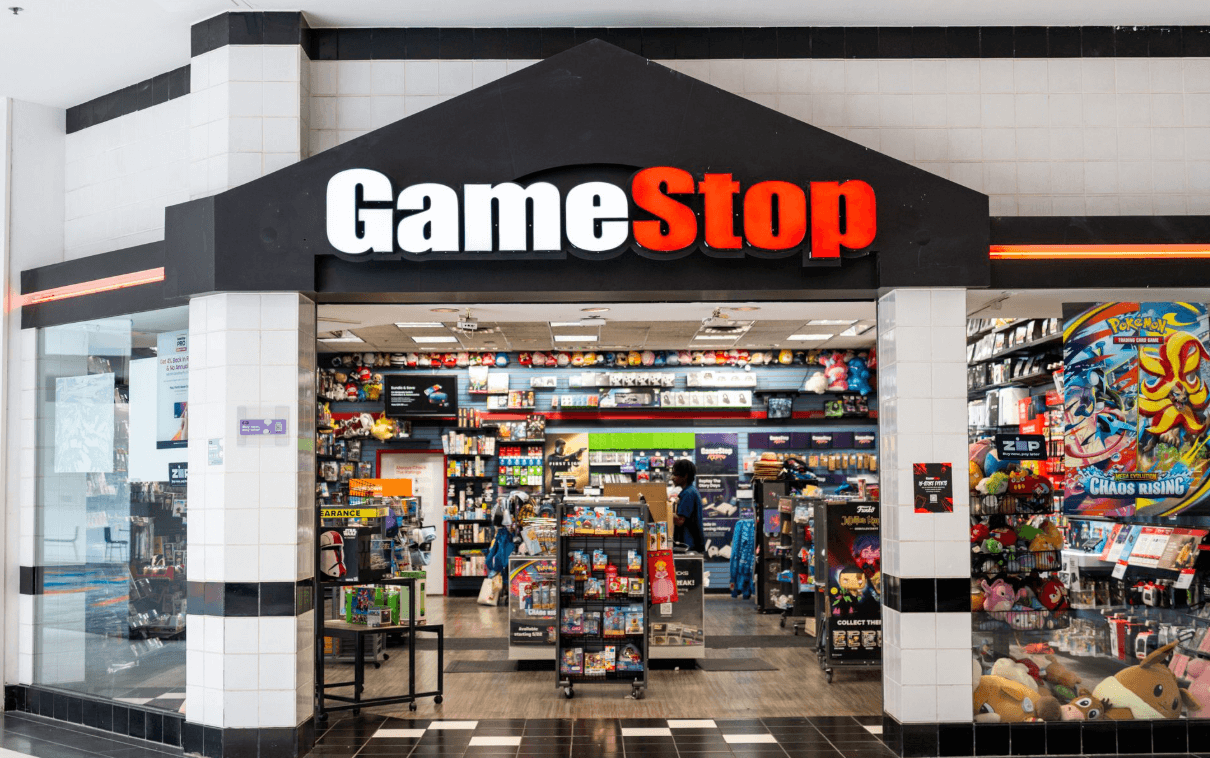
Cohen's buying pattern isn't happening in a vacuum, and the broader context matters for understanding why his personal conviction carries extra weight right now. GameStop disclosed in July that it had increased its stake in eBay to 9.75%, making it eBay's secon largest shareholder behind Vanguard Group funds. According to 24/7 Wall St's reporting, GameStop, an $11 billion company, had offered $56 billion in cash and stock for eBay, a $45 billion rival, though more recent reporting from Yahoo Finance indicates Cohen has been considering withdrawing that takeover bid in favor of a partnership or joint venture instead, one under which GameStop's roughly 1,600 US stores would give eBay a physical retail footprint in categories like trading cards and collectibles. GameStop had not made a final decision on that shift as of the most recent reporting.
That eBay position, worth roughly $4.9 billion according to 24/7 Wall St's figures, represents the next major information event for GameStop investors, separate entirely from Cohen's individual share purchases. Any update on whether GameStop pursues a full acquisition, a partnership, or something else entirely would reset how the market frames both that stake and Cohen's broader strategic vision for the company.
What Would Actually Confirm This Buying Pattern Matters
Rather than treating Cohen's latest purchase as a standalone signal, it's more useful to identify what would need to happen for this pattern to translate into something more durable than a short-term price bump. Whether GME stock holds its premarket gain through the full trading session, rather than fading back toward Monday's close, would be one immediate signal, since a fade would suggest the market is reading the filing as confirming an existing price floor rather than as a fresh catalyst worth adding to. A firm close near the day's highs would put more weight on Cohen's demonstrated willingness to pay progressively higher prices for a second million share plus block within roughly two weeks. And any concrete update on the eBay situation, whether GameStop moves toward a formal partnership, a renewed acquisition attempt, or divests the stake entirely, would likely matter more to GME stock's longer-term trajectory than any single insider purchase on its own.
Trading GME Stock Directly
For traders looking to position around how this insider buying pattern and the broader eBay situation continue to develop, GME trades on WEEX Spot, letting you hold a direct position with USDT funded from the same account used for crypto trading, without needing a separate brokerage relationship to react as new filings and developments land. Given how closely GME stock has moved with each new disclosed Cohen purchase this year, having a low friction way to adjust a position as the next filing arrives is more practical than committing to a single view based on any one transaction in isolation.
Trading on WEEX is backed by a publicly disclosed 1,000 BTC protection fund, worth knowing for anyone holding a position in a stock where the CEO's own compensation plan requires a tenfold increase in market capitalization before he sees a payout through options, a detail that adds genuine context to why he's continued buying shares directly with personal funds across multiple transactions this year.
Conclusion
GME stock's CEO has now built a documented, escalating pattern of open market share purchases throughout 2026, culminating in Monday's $26.4 million buy that pushed his direct holdings past 40.5 million shares and total beneficial ownership to roughly 8.7% of the company. That buying, joined by multiple GameStop directors in the same window, carries more weight given that Cohen's own performance based compensation plan requires GameStop's market cap to reach $100 billion before he receives any stock options, meaning his personal purchases represent a more immediate path to building his stake than the incentive structure alone provides. Whether this pattern of insider conviction translates into a lasting re-rating for GME stock likely depends less on any single purchase and more on how GameStop's larger eBay situation resolves in the months ahead.
FAQ
1. How much did Ryan Cohen spend on GameStop shares this week?
Cohen purchased 1,150,680 shares on September 21 for approximately $26.4 million, at a weighted average price of $22.9375 per share.
2. How large is Ryan Cohen's total stake in GameStop now?
His direct holdings stand at 40,498,522 shares, roughly 9% of GameStop's equity, while his total beneficial ownership including warrants reaches approximately 8.7% of outstanding stock.
3. Is this Cohen's first GameStop purchase this year?
No. He bought 1 million shares on September 10 at an average price near $20.38, part of a broader pattern of open market purchases that has continued through much of 2026.
4. Why might Cohen be buying shares directly instead of waiting on stock options?
His performance based compensation plan only grants him stock options if GameStop reaches a $100 billion market capitalization, roughly ten times its current value, making personal purchases a more immediate way to build his stake.
5. What is the eBay situation referenced alongside Cohen's buying?
GameStop holds a roughly 9.75% stake in eBay worth about $4.9 billion and had proposed a $56 billion acquisition, though Cohen has reportedly been considering a partnership or joint venture instead of a full takeover.
This content is provided for general informational purposes only and doesn't constitute financial, investment, legal, or tax advice. Any events, rewards, online promotions, or related information mentioned herein should not be considered a recommendation, solicitation, or invitation to purchase, sell, trade, or otherwise deal in any crypto assets. Crypto assets are highly volatile and may result in loss. The availability of WEEX services, products, and related events may vary by region. You are responsible for ensuring that your participation is in accordance with applicable local laws and regulations.
You may also like

GME Stock: Why Ryan Cohen May Be About to Kill His $56 Billion eBay Bid
Bloomberg says Ryan Cohen may abandon GameStop's $56 billion eBay bid for a partnership instead but GameStop just grew its eBay stake to nearly 10% anyway.
Stablecoins offer sub-cent payments, Armstrong says, as critics flag risks

Analysis: Stablecoins, Payments, and Prediction Markets Have Become New Growth Points for Crypto Companies, but Profitability Remains Challenged

Nubank Suspends Crypto Withdrawals: What We Know So Far

Buffett's Successor Faces Setback, Google Holdings Show $3 Billion Unrealized Loss

Banking Outage in Japan: 128 Banks 'Frozen' at Once

Beyond APY: Saying Goodbye to Black Box Trust and Reassessing the Security Logic of ETH Staking

Argentine Bitcoiners Debut “The Genesis Of Satoshi Nakamoto” Artwork In Downtown Buenos Aires

Broadcom (AVGO) : AI Growth, Fund Positioning, and Guarantee Risk
Broadcom (AVGO) recently fell with the semiconductor sector, closing down 10.43% at $291.53 on November 5. The shares rebounded more than 4% in premarket trading on November 6. Concerns that election results could lead to tighter AI rules and slower data center approvals contributed to a broad sell-off, with a semiconductor index falling about 12%. The move appears tied mainly to sector sentiment and policy concerns, with no clear company-specific negative catalyst identified.
Institutional trading and AI growth expectations are also in focus. ARK funds sold about $134 million of Broadcom shares over two sessions while adding to SpaceX. Citi maintained its Buy rating and projected that Broadcom’s AI semiconductor revenue could reach $115 billion in fiscal 2027, roughly doubling year over year. Broadcom had approximately $179.2 billion in signed contracts as of the prior quarter, while analysts estimated fourth-quarter AI chip revenue at about $21.7 billion. These forecasts will need to be tested against future results.
Contingent guarantees are another point for investors to monitor. Broadcom is providing guarantees tied to Anthropic’s AI rack-leasing arrangement, involving about $29 billion in the first phase and a second-phase plan of up to $43 billion. Banks plan to issue $21 billion in bonds to support related chip financing. The guarantee amounts are not the same as debt already incurred, but they add a potential risk to assess. Broadcom is scheduled to report its next quarterly results on December 9, when management’s outlook for fiscal 2027 AI demand will be closely watched. This article is for informational purposes only and is not investment advice.

Netflix (NFLX) Stock Rebounds: Insider Sales, Advertising, and Growth Plans
Several Netflix executives sold company shares in early November 2026. Co-CEO Theodore Sarandos sold 27,312 shares from November 3 to 4, valued at about $1.81 million. CFO Spencer Neumann sold shares worth approximately $612,000. Co-CEO Gregory Peters realized about $1.69 million, including transactions related to tax withholding. Chief Legal Officer David Hyman and director Bradford Smith also reduced their holdings. Executive sales can have different reasons and should not be viewed on their own as a measure of the company’s outlook.
After recent pressure, Netflix shares rebounded more than 4% around November 4. Bill Ackman’s Pershing Square Capital Management allocated about 5% of its portfolio to Netflix, while new AI features and positive views on the company’s technology prospects helped sentiment. Netflix reported third-quarter 2026 revenue of $13.44 billion and earnings per share of $0.87, both above expectations, though its forward outlook remains a key focus.
Advertising is one of Netflix’s main challenges. Delays to key ad product features led the company to reduce its annual advertising revenue outlook from $3 billion to $2.7 billion. Viewer engagement has also faced pressure from changes in content appeal and competition from platforms such as YouTube. Netflix is pursuing growth through live events, gaming, and advertising, with plans to expand its ad-supported offering to 15 markets while adjusting its workforce by about 6% to improve margins. Investors may want to monitor advertising growth, engagement, and profitability. This article is for informational purposes only and is not investment advice.

Carvana Earnings: Record Sales, Strong Profit, and Insider Share Sales
Carvana reported third-quarter net revenue of $8.04 billion, up 42.4% year over year and above the $7.7 billion market estimate. Retail units sold reached a record 217,385, an increase of 39.4%. Net income rose to $483 million, while adjusted EBITDA reached a record $800 million, reflecting gains in both revenue and profitability.
Management expects full-year 2026 adjusted EBITDA to reach the upper end of its $2.7 billion to $3.0 billion range. Needham maintained its Buy rating, named Carvana a top pick in transportation technology, and set a $100 price target. Strong results and guidance have drawn investor attention, though continued performance will depend on sales, margins, and operating costs.
Insider transactions are also on investors’ radar. A regulatory filing indicates that CFO Mark Jenkins planned to sell 63,800 shares on November 2, 2026, valued at approximately $4.35 million. Since August, he has planned sales totaling 191,300 shares. An executive share sale alone does not determine a company’s outlook; investors may also consider earnings, cash flow, and future guidance. This article is for informational purposes only and is not investment advice.

FCEL Stock: Data Center Opportunity, Manufacturing Costs, and Lawsuit Risk
FuelCell Energy (ticker: FCEL) provides fuel-cell power solutions. Growing electricity demand from AI data centers could create new business opportunities, while proposed pauses on new data center approvals in some areas have raised concerns about project timelines. A 75-megawatt power project may be affected, and FCEL shares recently fell as much as about 17% in a single session amid policy concerns.
FCEL signed an agreement with Fit Energy to provide up to 380 megawatts of fuel-cell power solutions. Its backlog is approximately $3.6 billion, with about 97% of its sales pipeline related to data centers. The company also drew the second installment under a $49 million financing arrangement backed by an export credit agency, supporting a green energy project and clean-energy exports. Recent leadership changes include Matthew Latino becoming CFO, digital infrastructure executive Peter Hopper joining the board, and John Dansby leading manufacturing scale-up. Converting orders into revenue will depend on production capacity, costs, and project execution.
FCEL reported third-quarter revenue of about $33 million, down approximately 29% year over year, and a net loss of roughly $45.3 million. Product costs and manufacturing overhead for the Fit Energy agreement exceeded the contract pricing, resulting in an approximately $17 million contract impairment charge. Securities class-action allegations concern disclosures about manufacturing capacity and costs; the case remains in the legal process. The deadline to seek appointment as lead plaintiff is November 10, 2026. FCEL’s growth opportunities come with execution, financing, and litigation risks. This article is for informational purposes only and is not investment advice.

Democratic Party's AI Regulation Push Revealed: Plans for Intensive Legislation and Strict Scrutiny of Tech Giants

PFE Stock: Pfizer’s Q3 2026 Earnings, Business Strategy, and Dividend Outlook
PFE is the New York Stock Exchange ticker for Pfizer Inc. In the third quarter of 2026, Pfizer reported revenue of $16.58 billion and adjusted earnings per share of $0.87, both above market expectations. The company raised its full-year revenue outlook to $62 billion–$64 billion and its adjusted EPS guidance to $2.95–$3.05, pointing to stronger performance than previously expected.
Although demand for COVID-related products continues to decline, Pfizer’s non-COVID business is growing. Third-quarter sales reached $720 million for the cancer drug Padcev and $2.52 billion for Eliquis, up 25% year over year. Revenue from newer and acquired products rose 32%. Pfizer is expanding its oncology pipeline, entering the weight-loss treatment market through its acquisition of Metsera, and targeting approximately $9.7 billion in net cost savings by 2029. Cecile Guegan has also taken over as chief financial officer.
Investors are also watching Pfizer’s dividend and legal developments. The company declared a cash dividend of $0.43 per share, with an ex-dividend date of November 6, 2026. Analysts raised some earnings estimates and price targets following the quarterly results. Pfizer also faces ongoing legal scrutiny related to statements about COVID vaccine safety, while its subsidiary Mylan has sued Novo Nordisk over generic-drug patent issues involving Wegovy. Pfizer’s outlook depends on new-product growth, cost savings, patent matters, and litigation developments. This article is for informational purposes only and is not investment advice.

South Korea’s GOPAX halts crypto trading, withdrawals after hacking threat

Bhutan: A royal decree opens the future central bank's reserves in Gelephu to cryptocurrencies

AI Begins to Shake Google's Search Advertising Business Behind $500 Billion Market Value Erosion

What is the real challenge for South Korean exchanges now that the regulatory framework is in place?

What Is TLT? Long-Term Treasury Bonds After the Midterm Election

Former FBI Agent Pleads Guilty to Stealing $2.5M in Crypto From 35 Investigations

Mr&强 Discusses Bitget Forex Trading Upgrade with Up to 2000x Leverage
Breaking Down Bitcoin Trends: What Determines the True Value of L1?

Chainalysis Attack More Serious Than Expected: User Password Hashes and Active Tokens Leaked

U.S. Stocks Plunge $2.8 Trillion Overnight! Top Silicon Valley VC Reveals: 90% of Open Source Model Spending Goes to China

StockFi: Connecting U.S. Stock with the On-Chain Ecosystem to Reshape Asset Circulation

Cassius Cuvee on Market Euphoria, High Leverage, and How to Stay in the Game

What Do Tokenized Deposits Need to Compete with Stablecoins?

Binance founder CZ warns of critical 10-year-old OpenSSH flaw

A Look at the S&P 500 ETF After the Midterm Election

iPhone Attack Kit 'DarkSword' Suspected of Being Misused for Cryptocurrency Theft, Bitquery Identifies Approximately $4.06 Million in Stolen Funds
GME Stock: Why Ryan Cohen May Be About to Kill His $56 Billion eBay Bid
Bloomberg says Ryan Cohen may abandon GameStop's $56 billion eBay bid for a partnership instead but GameStop just grew its eBay stake to nearly 10% anyway.
Stablecoins offer sub-cent payments, Armstrong says, as critics flag risks
Analysis: Stablecoins, Payments, and Prediction Markets Have Become New Growth Points for Crypto Companies, but Profitability Remains Challenged
Nubank Suspends Crypto Withdrawals: What We Know So Far
Buffett's Successor Faces Setback, Google Holdings Show $3 Billion Unrealized Loss
Banking Outage in Japan: 128 Banks 'Frozen' at Once
Contents
Latest articles


Latest coin listings on WEEX


