
AMD Stock Price Near $650 After Citi's $800 Target: Why Analysts Say a CPU Renaissance Is Coming

 Prefer us on Google

The AMD stock price hit a new all-time high on October 6, 2026, with shares touching about $649.88 and trading near $649 later in the session, according to Schaeffer's Investment Research. The stock is up about 200% this year, and AMD's market value has passed $1 trillion, which puts it firmly in the conversation with Nvidia in AI computing.
The trigger was a Citi note that raised its price target to $800 from $575 and described AMD as a primary beneficiary of a "CPU renaissance." That phrase matters because most AMD stock coverage has focused on AI GPUs, while Citi is arguing that CPUs will see a second wave of demand as AI agents spread. This article explains what Citi said, what the $300 billion CPU forecast assumes, what other analysts and AMD's CEO added, and why the AMD stock price could still face pressure after such a large run.
AMD Stock Price Reaches a Record Near $650
AMD's record peak on October 6 was about $649.88, with the stock last seen near $648.85 in Schaeffer's report. Other outlets reported different intraday gains for the day, ranging from under 2% to about 4%, which likely reflects different times of day, so the safest summary is that the stock closed the session near a record around $650.
The move leaves AMD above its consensus target. Of 48 analysts covering the stock, 40 rate it Buy or better, but the average 12-month target is about $620.89, below the current price. In practice this means the Citi and Stifel upgrades matter, because they pull the top end of the analyst range higher, while many other targets will need to be revised if the stock stays at these levels.
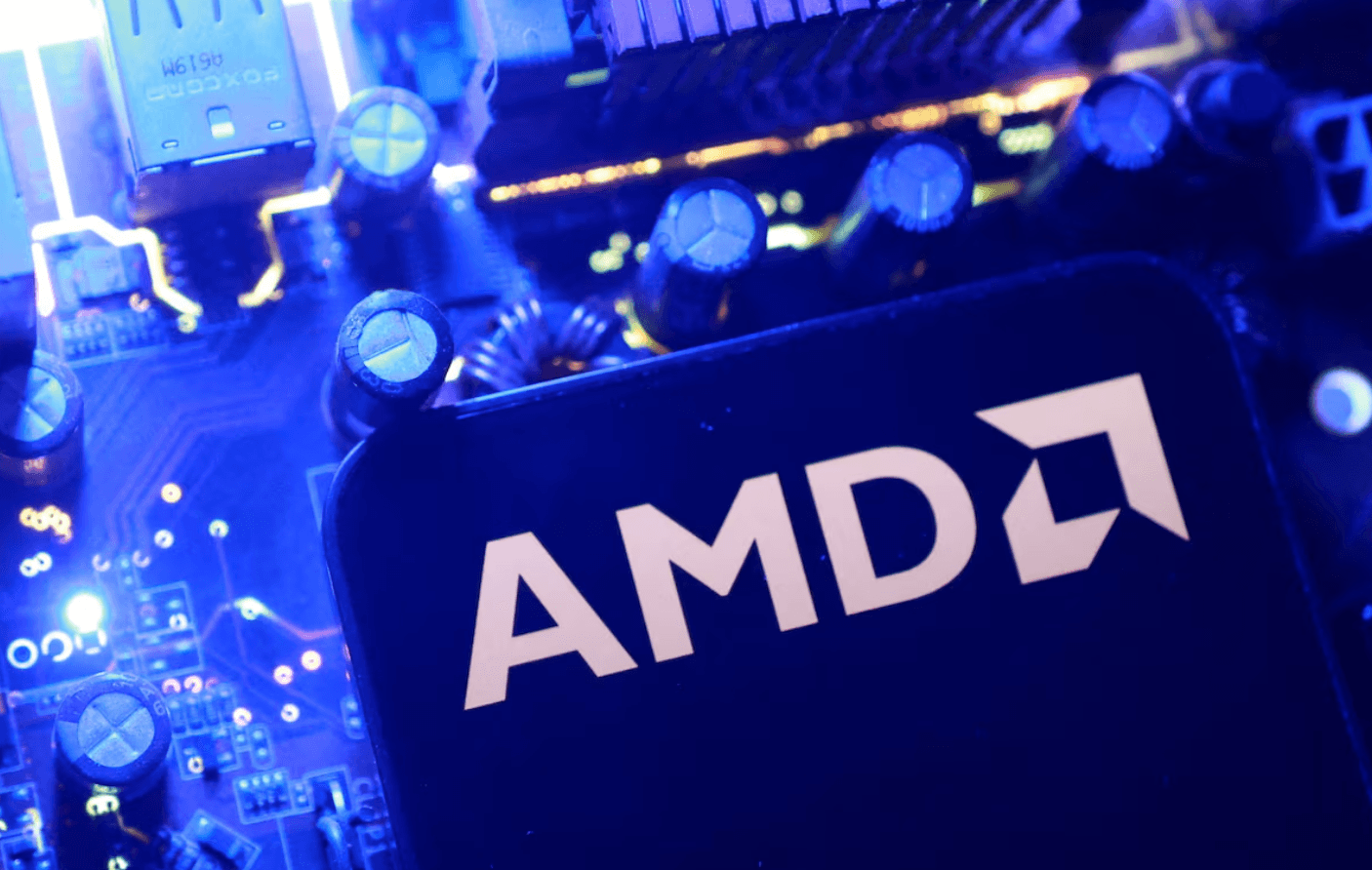
What Citi's $800 Target Says About AMD
Citi analyst Atif Malik raised the target by about 39%, from $575 to $800. The reasoning is not about a single product launch. It is about the type of computing that AI agents require. Personal AI agents such as Meta's Muse and Dots can run continuously and carry out multi-step tasks on their own, which Citi says drives much higher compute demand than a simple chatbot that answers one question at a time.
Citi named AMD's EPYC server CPUs and Instinct GPUs as the main ways the company benefits. Schaeffer's added that Citi pointed to Meta's release of Muse and to Meta as one of AMD's largest server customers. This ties the AMD stock price to a consumer AI product launch in a more direct way than usual, since the demand story starts with software that millions of people use.
Why Analysts Call It a CPU Renaissance
For several years, the AI trade has centered on GPUs, which handle the heavy parallel calculations used to train and run models. Citi's argument is that AI agents change the balance. An agent that runs for long periods needs coordination, scheduling, memory handling and many small tasks, work that general-purpose server CPUs do well. As more agents run at once, more CPU capacity is needed alongside the GPUs.
That is the core of the "renaissance" idea: a part of the market that looked mature could grow quickly again. It is still an analyst view, not a measured result. How much extra CPU demand AI agents create depends on how many people use them, how long they run and how much of the work stays on CPUs rather than moving to specialized chips.
-- Price
The $300 Billion CPU Market Forecast: What It Assumes
Citi projects the CPU market growing from about $29 billion in 2025 to about $300 billion by 2030, according to Invezz. That is roughly a tenfold increase in five years, an extremely steep path for a market of this size. It assumes agent-style AI becomes widespread, that those agents stay heavily CPU-dependent, and that data center operators keep expanding capacity at the same pace.
AMD's current business gives some support. Invezz reported that data center revenue reached $6.7 billion in the second quarter, up 107% from a year earlier, and now makes up about 58% of AMD's total revenue. Those figures show AMD already depends heavily on the segment Citi is focused on. They do not prove the 2030 forecast, which remains one analyst's estimate. Different outlets also report different revenue totals, so readers should check AMD's own filings before using any single figure.
Other Catalysts: Stifel, Lisa Su and Helios
Citi was not alone. Stifel raised its target to $700, anticipating strong server processor performance. AMD CEO Lisa Su also said on a Taiwan trip that the company increased supply during 2026 and plans to increase it substantially in 2027, according to Reuters. She met with Foxconn about ramping CPU and GPU production, was scheduled to meet TSMC on capacity, and is coordinating with memory makers Samsung and SK Hynix. No specific supply numbers were given.
There is also a product timeline. Invezz reported that AMD's Helios AI systems begin deployments with OpenAI in the fourth quarter of 2026. That gives investors a near-term event to watch, because early deployment results will show whether AMD can deliver complete AI systems rather than only individual chips.
Why the AMD Stock Price Could Struggle From Here
The first risk is valuation. TradingKey reported a price-to-earnings ratio above 160, which leaves little room for disappointment. The stock is also overbought on short-term indicators, with a 14-day RSI around 71.7 in Schaeffer's report and about 73 in TradingKey's. Overbought readings do not guarantee a decline, but they are often followed by pauses or pullbacks, and Schaeffer's noted that $600 is now acting as a support area to watch.
The second risk is supply. Advanced wafers at TSMC and high-bandwidth memory are both limited, and AMD's ability to meet demand depends on securing more of each. The third is competition and margins: cloud providers are building their own chips, and TradingKey flagged gross margin pressure as a concern. Finally, the stock now trades above the analyst consensus target, so any weaker-than-expected data could trigger a sharper reaction than usual.
Trading AMD Price Moves on WEEX Spot
A stock that has run about 200% in a year and trades above its consensus target is the kind of market where position sizing matters more than conviction. WEEX lists AMD on Spot, so a trader with USDT can plan entries around specific levels, such as the $600 area mentioned as support or a retest of the record near $650, using limit orders instead of chasing a move.
Spot trading also keeps the risk simple. There is no leverage, so a sharp pullback from an overbought level cannot cause a forced liquidation, and a trader can scale in with several smaller orders rather than commit at the top. This is a way to manage exposure, not a forecast of direction. AMD on WEEX gives price exposure to AMD. It does not provide ownership of AMD shares or shareholder rights such as voting or dividends. Traders should check current liquidity and spreads on the order book before placing orders. WEEX also maintains a 1,000 BTC protection fund, details at weex.com/protectfund.
Conclusion
The AMD stock price near $650 reflects a new argument from Citi: that AI agents will create a second wave of CPU demand, with the market growing from $29 billion to $300 billion by 2030. Stifel's $700 target, Lisa Su's supply plans and the Helios rollout with OpenAI give the story near-term support. Overbought readings, a P/E above 160, supply limits and a price above the consensus target are the reasons for caution. Readers should check the latest price and treat all forecasts as estimates.
FAQ
1. Why did the AMD stock price hit a record on October 6, 2026?
Citi raised its price target to $800 from $575, calling AMD a primary beneficiary of a CPU renaissance driven by AI agents.
2. What is Citi's CPU market forecast?
Citi projects the CPU market growing from about $29 billion in 2025 to about $300 billion by 2030. It is an analyst estimate.
3. What did Lisa Su say about AMD supply?
She said AMD increased supply during 2026 and plans to increase it substantially in 2027, with no specific numbers given.
4. What are the main risks for AMD stock?
The main risks are a high valuation, overbought indicators, limits on TSMC wafers and HBM memory, competition from custom chips and a price above the consensus target.
5. Can AMD be traded on WEEX Spot?
Yes, AMD is available on WEEX Spot. It gives price exposure, not ownership of AMD shares.
This content is provided for general informational purposes only and doesn't constitute financial, investment, legal, or tax advice. Any events, rewards, online promotions, or related information mentioned herein should not be considered a recommendation, solicitation, or invitation to purchase, sell, trade, or otherwise deal in any crypto assets. Crypto assets are highly volatile and may result in loss. The availability of WEEX services, products, and related events may vary by region. You are responsible for ensuring that your participation is in accordance with applicable local laws and regulations.
You may also like

AMD Stock Bought the 'Godmother of AI' for $8.2 Billion: Why Shares Fell Anyway
AMD agreed to buy AI research lab World Labs for $8.2 billion in stock, bringing Fei-Fei Li on board as chief scientist. AMD stock closed down 3.61% the same day, a reaction most coverage traces to valuation, not the deal's logic.

AMD Stock Price: Why It's More Expensive Than Nvidia Despite Slower Growth
AMD trades at roughly 2.5 to 3 times Nvidia's forward earnings multiple, despite Nvidia being larger, more profitable, and often growing just as fast.

AMD Stock Rises for a Third Straight Session: CTO Says AI Demand Shows No Signs of Slowing
AMD fully recovered Monday's 5.6% AI-scare selloff to close the week up 8%, with the CTO saying AI demand shows no signs of slowing backed by 107% data center growth.

SOXL Semiconductor ETF Jumps as Trading Volume Surges: What's Driving the Rebound
SOXL bounced back this week with trading volume surging but the fund is still down nearly 20% over the past month, and its 3x daily leverage cuts just as sharply in reverse.

AMD Stock Falls Below $500 as CEO Lisa Su Sells Shares: Here's What Her Filing Actually Shows
AMD stock dropped below $500 the same day Lisa Su's SEC filing surfaced but the sale was scheduled months ago and had nothing to do with the drop.

Ethereum software bug triggers emergency fixes across major layer-2 networks

Kraken Owner Invests in Altcoin, Considers Further Purchases. You Should Recognize Him

Stablecoins offer sub-cent payments, Armstrong says, as critics flag risks

Analysis: Stablecoins, Payments, and Prediction Markets Have Become New Growth Points for Crypto Companies, but Profitability Remains Challenged

Nubank Suspends Crypto Withdrawals: What We Know So Far

Buffett's Successor Faces Setback, Google Holdings Show $3 Billion Unrealized Loss

Banking Outage in Japan: 128 Banks 'Frozen' at Once
Beyond APY: Saying Goodbye to Black Box Trust and Reassessing the Security Logic of ETH Staking

Argentine Bitcoiners Debut “The Genesis Of Satoshi Nakamoto” Artwork In Downtown Buenos Aires

Broadcom (AVGO) : AI Growth, Fund Positioning, and Guarantee Risk
Broadcom (AVGO) recently fell with the semiconductor sector, closing down 10.43% at $291.53 on November 5. The shares rebounded more than 4% in premarket trading on November 6. Concerns that election results could lead to tighter AI rules and slower data center approvals contributed to a broad sell-off, with a semiconductor index falling about 12%. The move appears tied mainly to sector sentiment and policy concerns, with no clear company-specific negative catalyst identified.
Institutional trading and AI growth expectations are also in focus. ARK funds sold about $134 million of Broadcom shares over two sessions while adding to SpaceX. Citi maintained its Buy rating and projected that Broadcom’s AI semiconductor revenue could reach $115 billion in fiscal 2027, roughly doubling year over year. Broadcom had approximately $179.2 billion in signed contracts as of the prior quarter, while analysts estimated fourth-quarter AI chip revenue at about $21.7 billion. These forecasts will need to be tested against future results.
Contingent guarantees are another point for investors to monitor. Broadcom is providing guarantees tied to Anthropic’s AI rack-leasing arrangement, involving about $29 billion in the first phase and a second-phase plan of up to $43 billion. Banks plan to issue $21 billion in bonds to support related chip financing. The guarantee amounts are not the same as debt already incurred, but they add a potential risk to assess. Broadcom is scheduled to report its next quarterly results on December 9, when management’s outlook for fiscal 2027 AI demand will be closely watched. This article is for informational purposes only and is not investment advice.

Netflix (NFLX) Stock Rebounds: Insider Sales, Advertising, and Growth Plans
Several Netflix executives sold company shares in early November 2026. Co-CEO Theodore Sarandos sold 27,312 shares from November 3 to 4, valued at about $1.81 million. CFO Spencer Neumann sold shares worth approximately $612,000. Co-CEO Gregory Peters realized about $1.69 million, including transactions related to tax withholding. Chief Legal Officer David Hyman and director Bradford Smith also reduced their holdings. Executive sales can have different reasons and should not be viewed on their own as a measure of the company’s outlook.
After recent pressure, Netflix shares rebounded more than 4% around November 4. Bill Ackman’s Pershing Square Capital Management allocated about 5% of its portfolio to Netflix, while new AI features and positive views on the company’s technology prospects helped sentiment. Netflix reported third-quarter 2026 revenue of $13.44 billion and earnings per share of $0.87, both above expectations, though its forward outlook remains a key focus.
Advertising is one of Netflix’s main challenges. Delays to key ad product features led the company to reduce its annual advertising revenue outlook from $3 billion to $2.7 billion. Viewer engagement has also faced pressure from changes in content appeal and competition from platforms such as YouTube. Netflix is pursuing growth through live events, gaming, and advertising, with plans to expand its ad-supported offering to 15 markets while adjusting its workforce by about 6% to improve margins. Investors may want to monitor advertising growth, engagement, and profitability. This article is for informational purposes only and is not investment advice.

Carvana Earnings: Record Sales, Strong Profit, and Insider Share Sales
Carvana reported third-quarter net revenue of $8.04 billion, up 42.4% year over year and above the $7.7 billion market estimate. Retail units sold reached a record 217,385, an increase of 39.4%. Net income rose to $483 million, while adjusted EBITDA reached a record $800 million, reflecting gains in both revenue and profitability.
Management expects full-year 2026 adjusted EBITDA to reach the upper end of its $2.7 billion to $3.0 billion range. Needham maintained its Buy rating, named Carvana a top pick in transportation technology, and set a $100 price target. Strong results and guidance have drawn investor attention, though continued performance will depend on sales, margins, and operating costs.
Insider transactions are also on investors’ radar. A regulatory filing indicates that CFO Mark Jenkins planned to sell 63,800 shares on November 2, 2026, valued at approximately $4.35 million. Since August, he has planned sales totaling 191,300 shares. An executive share sale alone does not determine a company’s outlook; investors may also consider earnings, cash flow, and future guidance. This article is for informational purposes only and is not investment advice.

FCEL Stock: Data Center Opportunity, Manufacturing Costs, and Lawsuit Risk
FuelCell Energy (ticker: FCEL) provides fuel-cell power solutions. Growing electricity demand from AI data centers could create new business opportunities, while proposed pauses on new data center approvals in some areas have raised concerns about project timelines. A 75-megawatt power project may be affected, and FCEL shares recently fell as much as about 17% in a single session amid policy concerns.
FCEL signed an agreement with Fit Energy to provide up to 380 megawatts of fuel-cell power solutions. Its backlog is approximately $3.6 billion, with about 97% of its sales pipeline related to data centers. The company also drew the second installment under a $49 million financing arrangement backed by an export credit agency, supporting a green energy project and clean-energy exports. Recent leadership changes include Matthew Latino becoming CFO, digital infrastructure executive Peter Hopper joining the board, and John Dansby leading manufacturing scale-up. Converting orders into revenue will depend on production capacity, costs, and project execution.
FCEL reported third-quarter revenue of about $33 million, down approximately 29% year over year, and a net loss of roughly $45.3 million. Product costs and manufacturing overhead for the Fit Energy agreement exceeded the contract pricing, resulting in an approximately $17 million contract impairment charge. Securities class-action allegations concern disclosures about manufacturing capacity and costs; the case remains in the legal process. The deadline to seek appointment as lead plaintiff is November 10, 2026. FCEL’s growth opportunities come with execution, financing, and litigation risks. This article is for informational purposes only and is not investment advice.

Democratic Party's AI Regulation Push Revealed: Plans for Intensive Legislation and Strict Scrutiny of Tech Giants
PFE Stock: Pfizer’s Q3 2026 Earnings, Business Strategy, and Dividend Outlook
PFE is the New York Stock Exchange ticker for Pfizer Inc. In the third quarter of 2026, Pfizer reported revenue of $16.58 billion and adjusted earnings per share of $0.87, both above market expectations. The company raised its full-year revenue outlook to $62 billion–$64 billion and its adjusted EPS guidance to $2.95–$3.05, pointing to stronger performance than previously expected.
Although demand for COVID-related products continues to decline, Pfizer’s non-COVID business is growing. Third-quarter sales reached $720 million for the cancer drug Padcev and $2.52 billion for Eliquis, up 25% year over year. Revenue from newer and acquired products rose 32%. Pfizer is expanding its oncology pipeline, entering the weight-loss treatment market through its acquisition of Metsera, and targeting approximately $9.7 billion in net cost savings by 2029. Cecile Guegan has also taken over as chief financial officer.
Investors are also watching Pfizer’s dividend and legal developments. The company declared a cash dividend of $0.43 per share, with an ex-dividend date of November 6, 2026. Analysts raised some earnings estimates and price targets following the quarterly results. Pfizer also faces ongoing legal scrutiny related to statements about COVID vaccine safety, while its subsidiary Mylan has sued Novo Nordisk over generic-drug patent issues involving Wegovy. Pfizer’s outlook depends on new-product growth, cost savings, patent matters, and litigation developments. This article is for informational purposes only and is not investment advice.

South Korea’s GOPAX halts crypto trading, withdrawals after hacking threat

Bhutan: A royal decree opens the future central bank's reserves in Gelephu to cryptocurrencies

AI Begins to Shake Google's Search Advertising Business Behind $500 Billion Market Value Erosion
What is the real challenge for South Korean exchanges now that the regulatory framework is in place?

What Is TLT? Long-Term Treasury Bonds After the Midterm Election

Former FBI Agent Pleads Guilty to Stealing $2.5M in Crypto From 35 Investigations

Mr&强 Discusses Bitget Forex Trading Upgrade with Up to 2000x Leverage

Breaking Down Bitcoin Trends: What Determines the True Value of L1?

Chainalysis Attack More Serious Than Expected: User Password Hashes and Active Tokens Leaked
U.S. Stocks Plunge $2.8 Trillion Overnight! Top Silicon Valley VC Reveals: 90% of Open Source Model Spending Goes to China
AMD Stock Bought the 'Godmother of AI' for $8.2 Billion: Why Shares Fell Anyway
AMD agreed to buy AI research lab World Labs for $8.2 billion in stock, bringing Fei-Fei Li on board as chief scientist. AMD stock closed down 3.61% the same day, a reaction most coverage traces to valuation, not the deal's logic.
AMD Stock Price: Why It's More Expensive Than Nvidia Despite Slower Growth
AMD trades at roughly 2.5 to 3 times Nvidia's forward earnings multiple, despite Nvidia being larger, more profitable, and often growing just as fast.
AMD Stock Rises for a Third Straight Session: CTO Says AI Demand Shows No Signs of Slowing
AMD fully recovered Monday's 5.6% AI-scare selloff to close the week up 8%, with the CTO saying AI demand shows no signs of slowing backed by 107% data center growth.
SOXL Semiconductor ETF Jumps as Trading Volume Surges: What's Driving the Rebound
SOXL bounced back this week with trading volume surging but the fund is still down nearly 20% over the past month, and its 3x daily leverage cuts just as sharply in reverse.
AMD Stock Falls Below $500 as CEO Lisa Su Sells Shares: Here's What Her Filing Actually Shows
AMD stock dropped below $500 the same day Lisa Su's SEC filing surfaced but the sale was scheduled months ago and had nothing to do with the drop.
Ethereum software bug triggers emergency fixes across major layer-2 networks
Contents
Latest articles


Latest coin listings on WEEX


