
2025's Biggest Miscalculation: Bitcoin Peaks in Q4, HODLing No Longer Effective

 Prefer us on Google


Original Article Title: Crypto Truths & Lies: Lessons from 2025
Original Article Author: Ignas, DeFi Research
Original Article Translation: Plain Blockchain
A year ago, I wrote about "The Truths and Lies of the 2025 Crypto Market."
Back then, everyone was sharing higher Bitcoin price targets. I wanted to find a different framework to uncover areas where the public might be wrong and to establish a differentiated position. The goal was simple: to find ideas that were already present but ignored, reviled, or misunderstood.
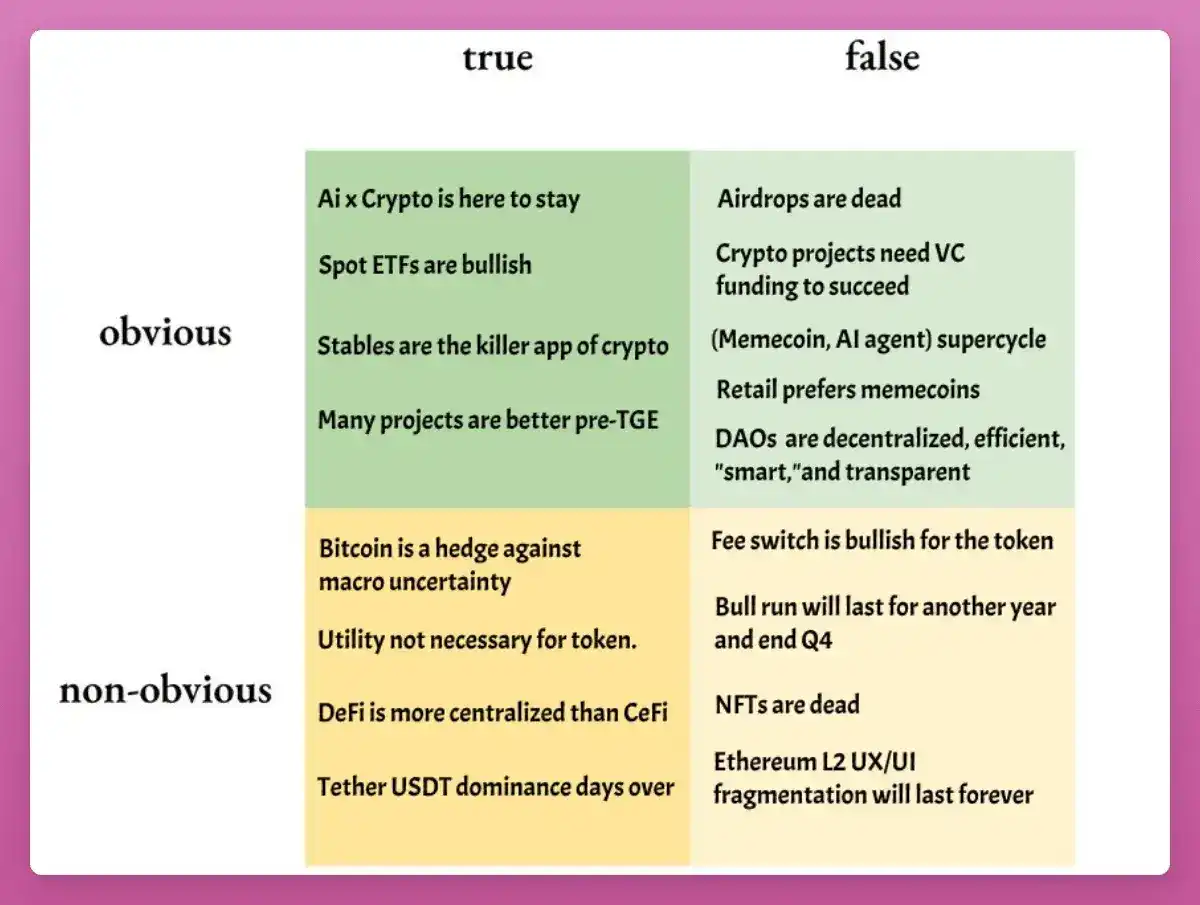
Before sharing the 2026 edition, let's take a clear look back at what truly mattered in 2025. What we got right, what we got wrong, and what we should learn from it. If you don't examine your thinking, you are not investing; you are gambling.
Quick Summary
"BTC Topped Out in Q4": Most people anticipated this, but it seemed too good to be true. Turns out they were right, and I was wrong (and paid the price for it). Unless BTC starts a parabolic rise now and breaks the 4-year cycle pattern, I concede this round. "Retail Favors Memecoins": The fact is, retail investors don't really favor cryptocurrencies. They bought gold, silver, AI stocks, and anything that wasn't a cryptocurrency. The supercycle of memecoins or AI agents did not materialize.
"AI x Crypto Remains Strong": A mixed bag. Projects continue to deliver, the x402 standard keeps evolving, and funding continues. However, tokens failed to sustain any uptrend.
"NFT Is Dead": Yes.
These are easy to look back on. The real insights lie in the following five broader themes.
1. Spot ETF Is the Floor, Not the Ceiling
Since March 2024, Bitcoin's long-term holders (OG) have sold approximately 1.4 million BTC, worth around $121.17 billion.
Imagine what the crypto market would be like without ETFs: Despite price drops, the BTC ETF still saw positive inflows (26.9 billion USD).
The approximately 95 billion USD gap is why BTC is lagging behind almost all macro assets. There is nothing wrong with BTC itself, no need to dive into unemployment or manufacturing data to explain—it's just the "great rotation" of whales and "4-year cycle believers."
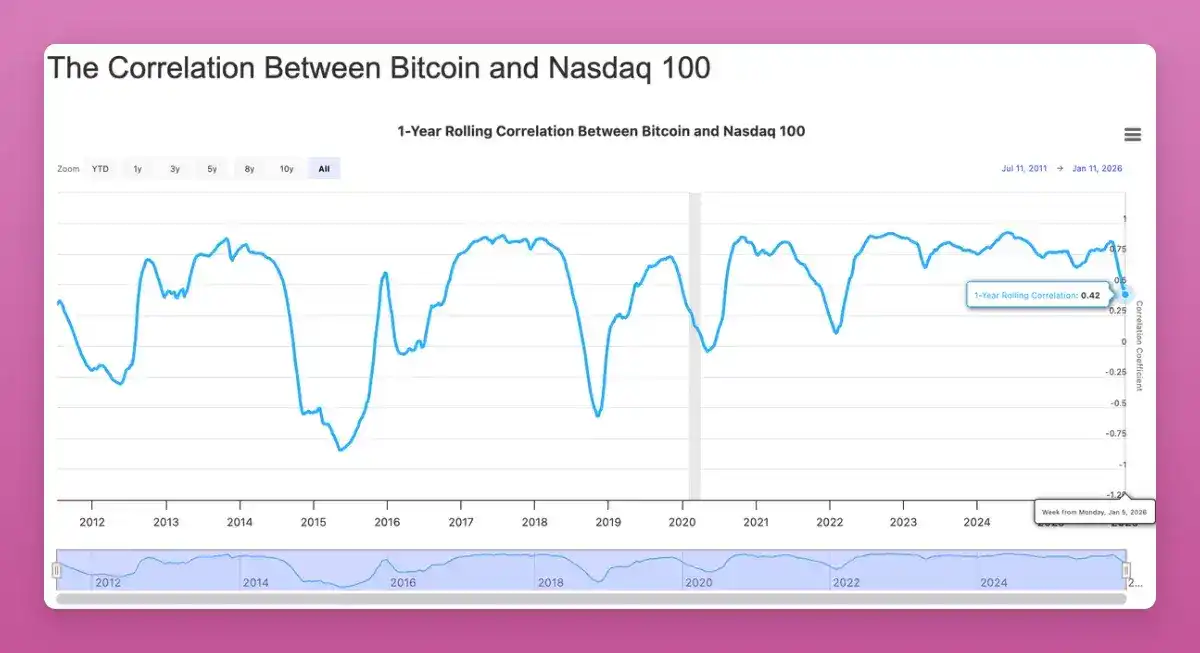
More importantly, Bitcoin's correlation with traditional risk assets like the Nasdaq has dropped to its lowest since 2022 (-0.42). While everyone hopes for a positive correlation breakout, in the long run, this is bullish as an uncorrelated portfolio asset sought by institutions.
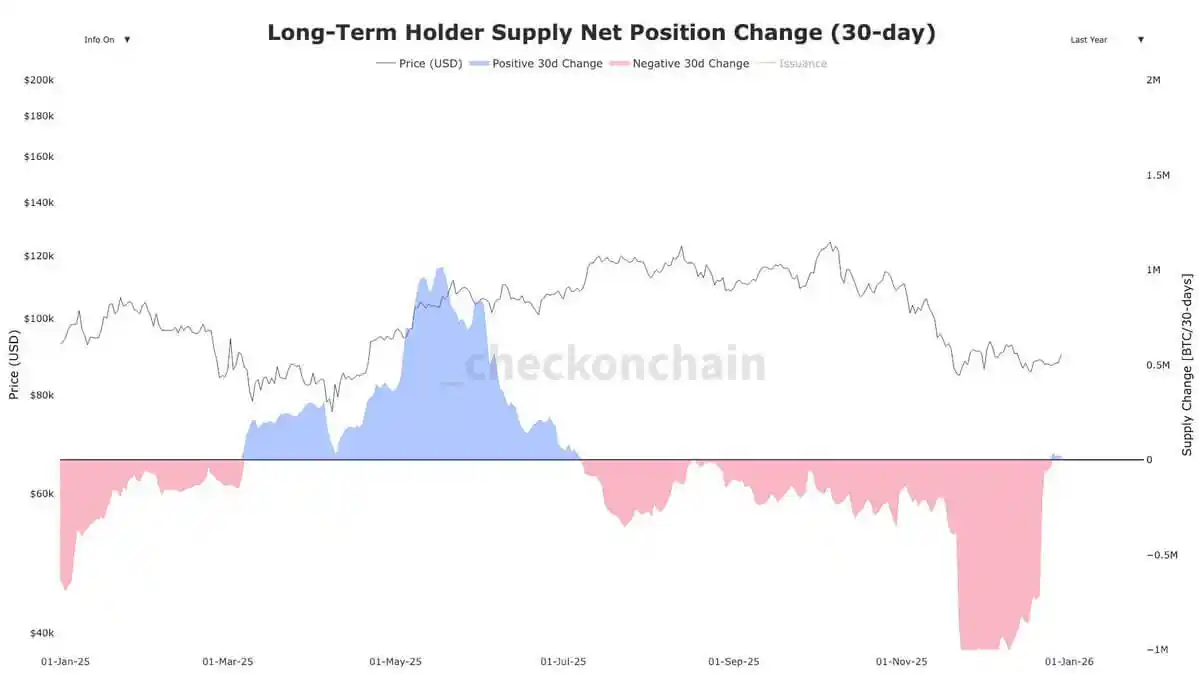
There are signs that the supply shock is over. Therefore, I dare to predict a BTC price of 174,000 USD in 2026 (equivalent to 10% of the gold market cap).
2. Airdrops Clearly Haven't "Disappeared"
The crypto community (CT) once again claimed airdrops were dead. But in 2025, we saw nearly 4.5 billion USD in large airdrop distributions:
Story Protocol (IP): ~$1.4B
Berachain (BERA): ~$1.17B
Jupiter (JUP): ~$7.91M
Animecoin (ANIME): ~$7.11M
The changes are: airdrop fatigue, improved rug pull detection, and a downward valuation. You still need to "claim and dump" to maximize gains.
2026 will be a big year for airdrops, heavyweight players like Polymarket, Metamask, Base (?), are ready to launch tokens. It's not a year to stop clicking buttons but a year to stop blind betting. Airdrop "farming" requires focused efforts for heavy bagging.
3. Fee Switch is Not an Engine for Price Rises, But a Floor
My prediction is that fee switch won't automatically drive up coin prices. Most protocols' generated revenue is insufficient to support their massive market caps.
"Fee switch doesn't dictate how high a token can rise but sets a 'floor price.'"
Watch the project on DeFi llama's "Holder Earnings" ranking: Except for $HYPE, all high-earning Tokenomics projects outperformed ETH (although ETH is now the benchmark that everyone aims to challenge).

Surprisingly, $UNI. Uniswap finally flipped the switch, even burning 1 billion tokens. UNI initially surged 75%, but later retraced all gains.
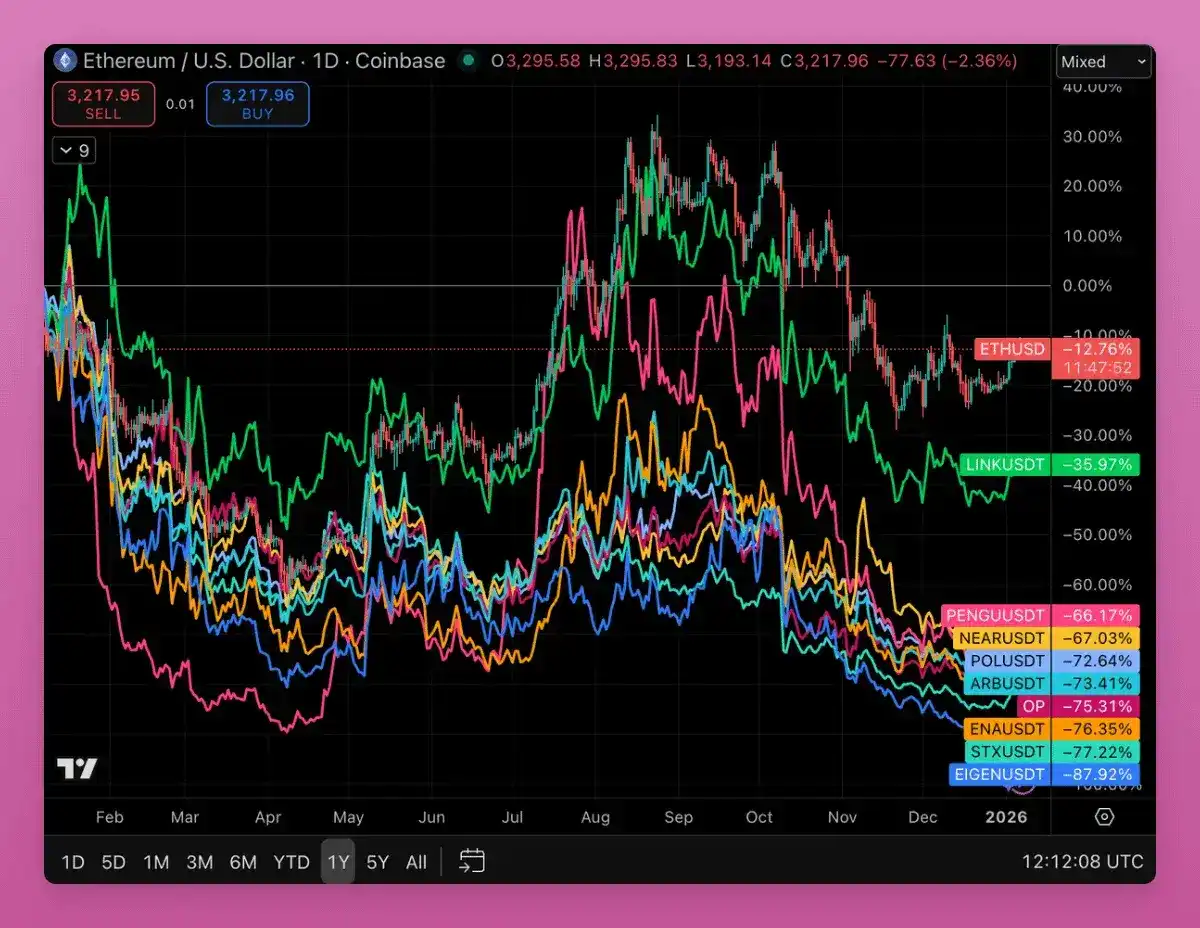
Three revelations:
A token buyback sets a price floor, not a ceiling.
Everything in this cycle is a trade (see UNI's surge and retracement).
A buyback is just one side of the story; supply pressure (unlocking) must be considered, as most tokens remain in low circulation.
4. Stablecoins Occupy the Mind, but "Proxy Transactions" Struggle to Profit
Stablecoins are going mainstream. When renting a scooter in Bali, the vendor even requested payment in USDT on TRON.
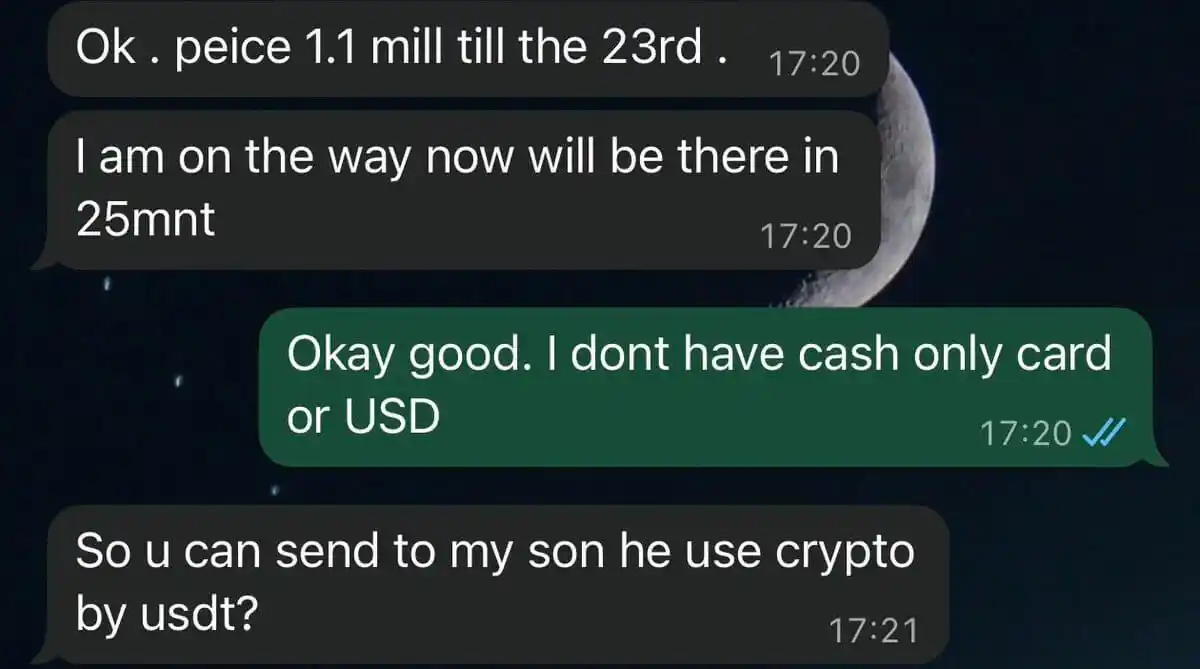
While USDT's dominance has dropped from 67% to 60%, its market cap is still growing. Citibank predicts that the stablecoin market cap could reach $19 trillion to $40 trillion by 2030.
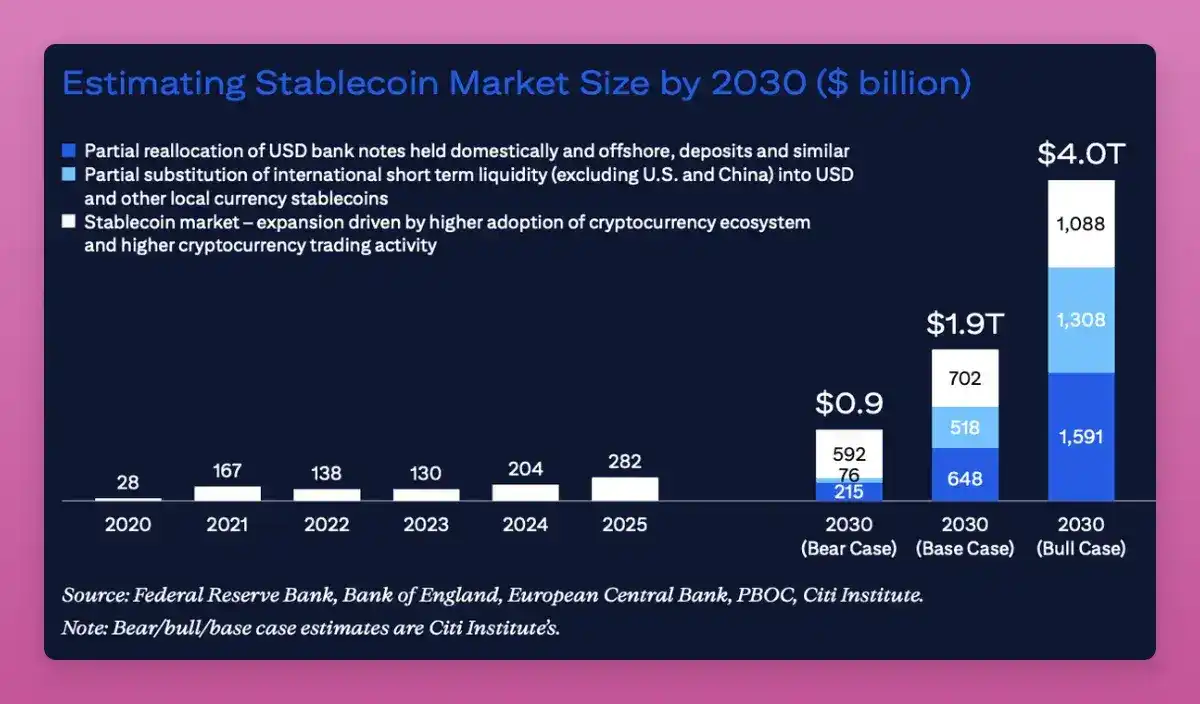
By 2025, the narrative has shifted from "trading" to "payment infrastructure." However, the narrative of transacting stablecoins is not easy: Circle's IPO saw a surge followed by a retracement, and other proxy assets' performance has been lackluster.
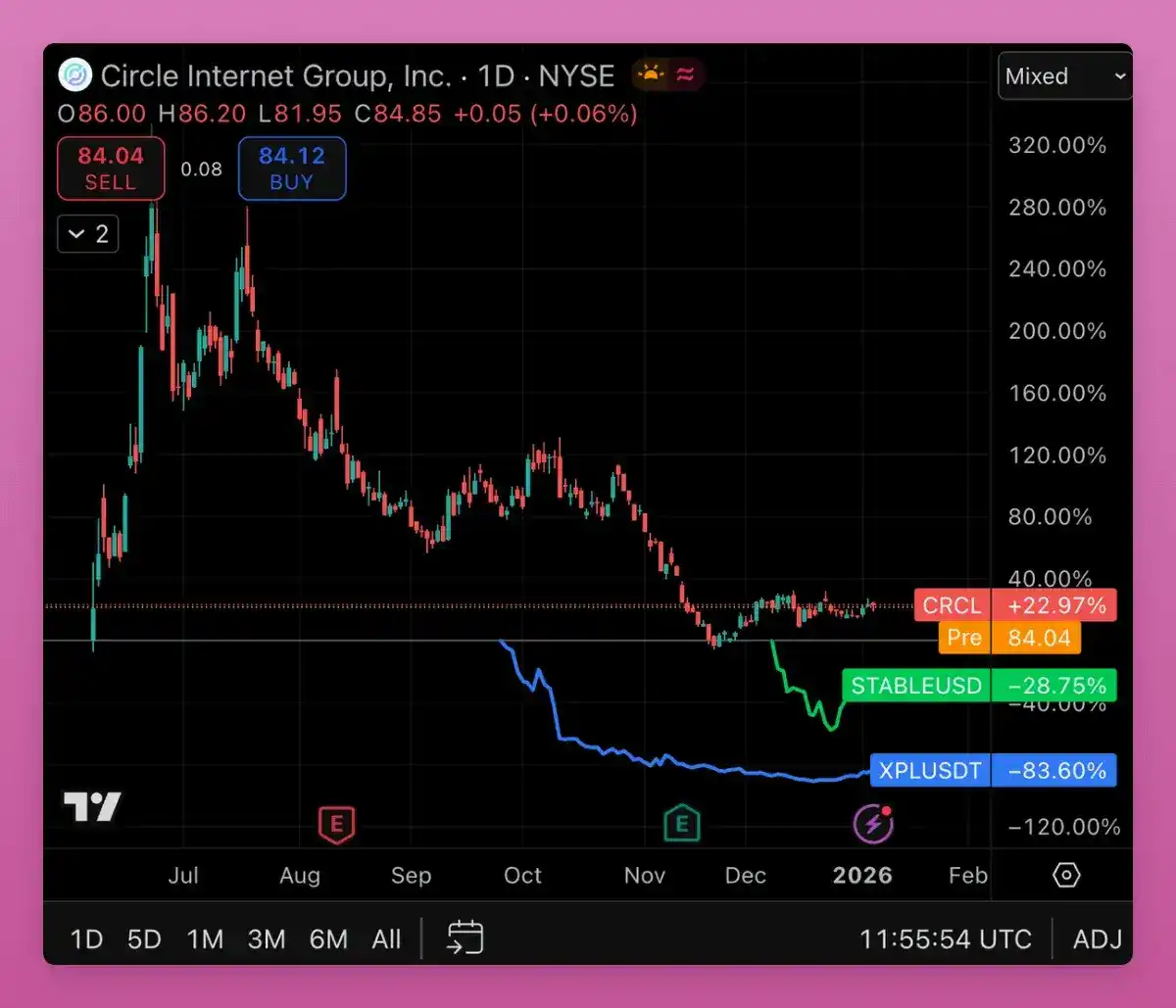
A truth of 2025 is: Everything is just a trade.
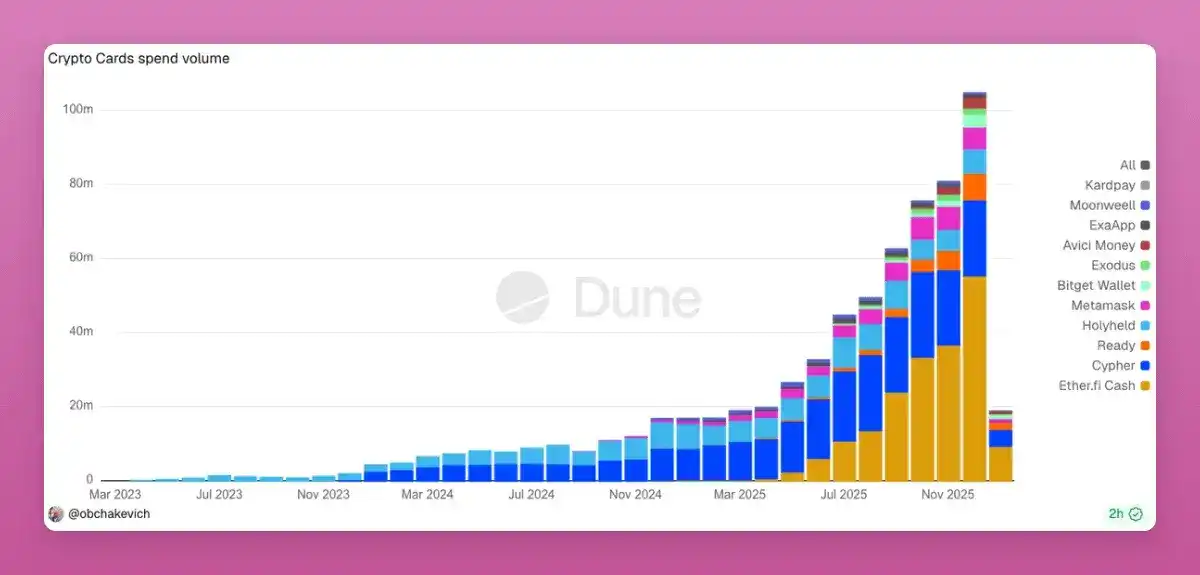
Currently, crypto payment cards have surged due to their convenience in bypassing strict banking AML requirements. Every card swipe is an on-chain transaction. If direct peer-to-peer payments bypassing Visa/Mastercard can emerge by 2026, it will be a thousandfold opportunity.
5. DeFi Is More Centralized than CeFi
Here's a bold statement: DeFi's business and TVL concentration are higher than traditional finance (CeFi).
Aave holds over 60% of the lending market share (for comparison, JPMorgan holds only 12% in the US).
L2 protocols are mostly billion-dollar unregulated multisigs.
Chainlink nearly controls all of DeFi's value oracles.
By 2025, conflicts between "centralized equity holders" and "Token holders/DAOs" become apparent. Who truly owns the protocol, IP rights, and revenue streams? Aave's internal strife reveals that Token holders have less power than we think.
If "Labs" ultimately win, many DAO Tokens will become uninvestible. 2026 will be a crucial year for aligning equity with Token holder interests.
Summary
2025 proved one thing: Everything is for sale. The exit window is tiny. No Token has enduring conviction.
As a result, 2025 marked the death of HODL culture, with DeFi morphing into Onchain Finance, and as regulation improves, DAOs are shedding their "pseudo-decentralized" disguise.
-- Price
This content is provided for general informational purposes only and doesn't constitute financial, investment, legal, or tax advice. Any events, rewards, online promotions, or related information mentioned herein should not be considered a recommendation, solicitation, or invitation to purchase, sell, trade, or otherwise deal in any crypto assets. Crypto assets are highly volatile and may result in loss. The availability of WEEX services, products, and related events may vary by region. You are responsible for ensuring that your participation is in accordance with applicable local laws and regulations.
You may also like

Binance Attacker Accidentally Transfers $3.5 Million in Tokens to NEWT Contract Address

Cryptofinancial Tools Are Moving Beyond the Crypto Sphere: A New Category Called 'Frontier Markets' Is Taking Shape

Behind Sony's Public Chain Soneium's Token Launch, Layer 2 Aims to Tell New Stories in the Entertainment Industry

Can You Live Only on Stablecoins? Industry Experts Respond with Yes or No

Hashed and Shard Lab Host Korea's First Collectible Con

Japan Bitcoin Industry launches Aurora platform for international payments

"Futures Listing as a Turning Point" - Insights from a Renowned Chinese Economist on the Essence of Bitcoin Assetization
The Wall Street Journal: How AI Trading Is Stealing Crypto's Thunder?

Mario, Pikachu, and Naruto at the Service of the White House: Tokyo Says Stop
Nicolás Tagliafico Surprises as a Singer and Streamer

Japan Accelerates Military Rearmament and Aims to Make Defense an Economic Engine

Sealed In Foil: BMAG's New Focus On Trading Cards
Statistic: In 2025, it became the norm for new coins to experience a "price drop," with only 15% of projects having a Fully Diluted Valuation (FDV) higher than their Token Generation Event (TGE) period.

Greece ends years of crypto tax uncertainty with new 10% levy on Bitcoin profits

Ethereum software bug triggers emergency fixes across major layer-2 networks

Kraken Owner Invests in Altcoin, Considers Further Purchases. You Should Recognize Him

Stablecoins offer sub-cent payments, Armstrong says, as critics flag risks

Analysis: Stablecoins, Payments, and Prediction Markets Have Become New Growth Points for Crypto Companies, but Profitability Remains Challenged

Nubank Suspends Crypto Withdrawals: What We Know So Far

Buffett's Successor Faces Setback, Google Holdings Show $3 Billion Unrealized Loss

Banking Outage in Japan: 128 Banks 'Frozen' at Once

Beyond APY: Saying Goodbye to Black Box Trust and Reassessing the Security Logic of ETH Staking

Argentine Bitcoiners Debut “The Genesis Of Satoshi Nakamoto” Artwork In Downtown Buenos Aires

Broadcom (AVGO) : AI Growth, Fund Positioning, and Guarantee Risk
Broadcom (AVGO) recently fell with the semiconductor sector, closing down 10.43% at $291.53 on November 5. The shares rebounded more than 4% in premarket trading on November 6. Concerns that election results could lead to tighter AI rules and slower data center approvals contributed to a broad sell-off, with a semiconductor index falling about 12%. The move appears tied mainly to sector sentiment and policy concerns, with no clear company-specific negative catalyst identified.
Institutional trading and AI growth expectations are also in focus. ARK funds sold about $134 million of Broadcom shares over two sessions while adding to SpaceX. Citi maintained its Buy rating and projected that Broadcom’s AI semiconductor revenue could reach $115 billion in fiscal 2027, roughly doubling year over year. Broadcom had approximately $179.2 billion in signed contracts as of the prior quarter, while analysts estimated fourth-quarter AI chip revenue at about $21.7 billion. These forecasts will need to be tested against future results.
Contingent guarantees are another point for investors to monitor. Broadcom is providing guarantees tied to Anthropic’s AI rack-leasing arrangement, involving about $29 billion in the first phase and a second-phase plan of up to $43 billion. Banks plan to issue $21 billion in bonds to support related chip financing. The guarantee amounts are not the same as debt already incurred, but they add a potential risk to assess. Broadcom is scheduled to report its next quarterly results on December 9, when management’s outlook for fiscal 2027 AI demand will be closely watched. This article is for informational purposes only and is not investment advice.

Netflix (NFLX) Stock Rebounds: Insider Sales, Advertising, and Growth Plans
Several Netflix executives sold company shares in early November 2026. Co-CEO Theodore Sarandos sold 27,312 shares from November 3 to 4, valued at about $1.81 million. CFO Spencer Neumann sold shares worth approximately $612,000. Co-CEO Gregory Peters realized about $1.69 million, including transactions related to tax withholding. Chief Legal Officer David Hyman and director Bradford Smith also reduced their holdings. Executive sales can have different reasons and should not be viewed on their own as a measure of the company’s outlook.
After recent pressure, Netflix shares rebounded more than 4% around November 4. Bill Ackman’s Pershing Square Capital Management allocated about 5% of its portfolio to Netflix, while new AI features and positive views on the company’s technology prospects helped sentiment. Netflix reported third-quarter 2026 revenue of $13.44 billion and earnings per share of $0.87, both above expectations, though its forward outlook remains a key focus.
Advertising is one of Netflix’s main challenges. Delays to key ad product features led the company to reduce its annual advertising revenue outlook from $3 billion to $2.7 billion. Viewer engagement has also faced pressure from changes in content appeal and competition from platforms such as YouTube. Netflix is pursuing growth through live events, gaming, and advertising, with plans to expand its ad-supported offering to 15 markets while adjusting its workforce by about 6% to improve margins. Investors may want to monitor advertising growth, engagement, and profitability. This article is for informational purposes only and is not investment advice.
Carvana Earnings: Record Sales, Strong Profit, and Insider Share Sales
Carvana reported third-quarter net revenue of $8.04 billion, up 42.4% year over year and above the $7.7 billion market estimate. Retail units sold reached a record 217,385, an increase of 39.4%. Net income rose to $483 million, while adjusted EBITDA reached a record $800 million, reflecting gains in both revenue and profitability.
Management expects full-year 2026 adjusted EBITDA to reach the upper end of its $2.7 billion to $3.0 billion range. Needham maintained its Buy rating, named Carvana a top pick in transportation technology, and set a $100 price target. Strong results and guidance have drawn investor attention, though continued performance will depend on sales, margins, and operating costs.
Insider transactions are also on investors’ radar. A regulatory filing indicates that CFO Mark Jenkins planned to sell 63,800 shares on November 2, 2026, valued at approximately $4.35 million. Since August, he has planned sales totaling 191,300 shares. An executive share sale alone does not determine a company’s outlook; investors may also consider earnings, cash flow, and future guidance. This article is for informational purposes only and is not investment advice.

FCEL Stock: Data Center Opportunity, Manufacturing Costs, and Lawsuit Risk
FuelCell Energy (ticker: FCEL) provides fuel-cell power solutions. Growing electricity demand from AI data centers could create new business opportunities, while proposed pauses on new data center approvals in some areas have raised concerns about project timelines. A 75-megawatt power project may be affected, and FCEL shares recently fell as much as about 17% in a single session amid policy concerns.
FCEL signed an agreement with Fit Energy to provide up to 380 megawatts of fuel-cell power solutions. Its backlog is approximately $3.6 billion, with about 97% of its sales pipeline related to data centers. The company also drew the second installment under a $49 million financing arrangement backed by an export credit agency, supporting a green energy project and clean-energy exports. Recent leadership changes include Matthew Latino becoming CFO, digital infrastructure executive Peter Hopper joining the board, and John Dansby leading manufacturing scale-up. Converting orders into revenue will depend on production capacity, costs, and project execution.
FCEL reported third-quarter revenue of about $33 million, down approximately 29% year over year, and a net loss of roughly $45.3 million. Product costs and manufacturing overhead for the Fit Energy agreement exceeded the contract pricing, resulting in an approximately $17 million contract impairment charge. Securities class-action allegations concern disclosures about manufacturing capacity and costs; the case remains in the legal process. The deadline to seek appointment as lead plaintiff is November 10, 2026. FCEL’s growth opportunities come with execution, financing, and litigation risks. This article is for informational purposes only and is not investment advice.

Democratic Party's AI Regulation Push Revealed: Plans for Intensive Legislation and Strict Scrutiny of Tech Giants

PFE Stock: Pfizer’s Q3 2026 Earnings, Business Strategy, and Dividend Outlook
PFE is the New York Stock Exchange ticker for Pfizer Inc. In the third quarter of 2026, Pfizer reported revenue of $16.58 billion and adjusted earnings per share of $0.87, both above market expectations. The company raised its full-year revenue outlook to $62 billion–$64 billion and its adjusted EPS guidance to $2.95–$3.05, pointing to stronger performance than previously expected.
Although demand for COVID-related products continues to decline, Pfizer’s non-COVID business is growing. Third-quarter sales reached $720 million for the cancer drug Padcev and $2.52 billion for Eliquis, up 25% year over year. Revenue from newer and acquired products rose 32%. Pfizer is expanding its oncology pipeline, entering the weight-loss treatment market through its acquisition of Metsera, and targeting approximately $9.7 billion in net cost savings by 2029. Cecile Guegan has also taken over as chief financial officer.
Investors are also watching Pfizer’s dividend and legal developments. The company declared a cash dividend of $0.43 per share, with an ex-dividend date of November 6, 2026. Analysts raised some earnings estimates and price targets following the quarterly results. Pfizer also faces ongoing legal scrutiny related to statements about COVID vaccine safety, while its subsidiary Mylan has sued Novo Nordisk over generic-drug patent issues involving Wegovy. Pfizer’s outlook depends on new-product growth, cost savings, patent matters, and litigation developments. This article is for informational purposes only and is not investment advice.

South Korea’s GOPAX halts crypto trading, withdrawals after hacking threat
Binance Attacker Accidentally Transfers $3.5 Million in Tokens to NEWT Contract Address
Cryptofinancial Tools Are Moving Beyond the Crypto Sphere: A New Category Called 'Frontier Markets' Is Taking Shape
Behind Sony's Public Chain Soneium's Token Launch, Layer 2 Aims to Tell New Stories in the Entertainment Industry
Can You Live Only on Stablecoins? Industry Experts Respond with Yes or No
Hashed and Shard Lab Host Korea's First Collectible Con
Japan Bitcoin Industry launches Aurora platform for international payments
Contents
Latest articles


Latest coin listings on WEEX


